SD44-9 (TGX Program Rebuild of GE)
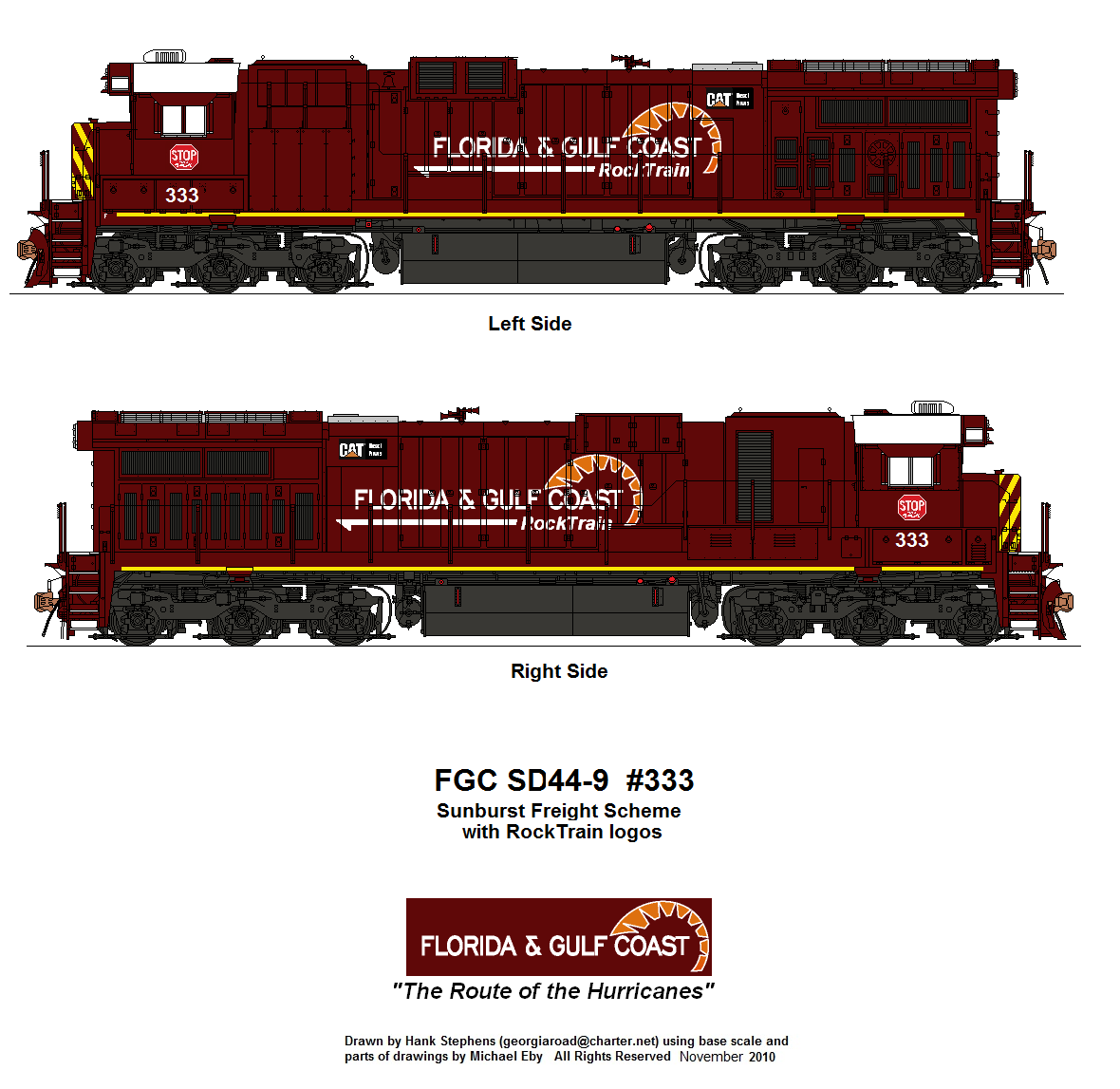
By far the most unusual model on the current FGC roster is the Stephens Railcar SD44-9TGX locomotives. These ten units were purchased from the Stephens Railcar, SRCX Leasing Fleet in 2020 after running on the FGC-AFG system for several years. These units were considered an oddity rebuild out of the Stephens Railcar TGX Program. As a result, the ten units never found a permanent home until FGI came shopping for cheap power to fill in roster gaps created by the purchase of the Florida & Gulf Coast RR (FGC) by FGI from MDRail Transporation in 2018. The experimental units proved reliable, if not desirable, and FGC placed them in RockTrain and general service where they continue today.
The SD44-9TGX, or SD44-9 as FGC signifies it,was the result of an experimental variant of the TGX Program of Stephens Railcar Services. The TGX Program was created to produce remanufactured locomotives that could meet current EPA standards using old EMD second and third generation cores and compete in sales with current OEM models at EMD. The TGX Program historically used EMD core locomotive units, but the influx of retired GE Dash-7 cores into the used market was a potential cost-effective potential for use in the TGX Program. Cost was a critical factor in the TGX Program, seen as key competition requirements to sell the TGX Program graduates in sufficient numbers.
With GE C30-7 units flooding the secondary markets after CSX, UP and BNSF purged the models in the early 2000s, Stephens Railcar acquired twenty C30-7 and C30-7 cores from BNSF from the original BN fleet of the railroad. These units were worn out from years of moving coal out of the Powder River basin, and after running in short term lease service through SRCX Leasing, the units were pulled one by one into the TGX Program for rebuilding as a GE core variant. The TGX Program was built around a proprietary Caterpillar primemover, specified originally due to the shortage of EMD spare OEM 710 power plants. At the time, GMLD was building an order of over 2000 SD70Ms for UP, and production compacity for locomotives and their components was fully allocated. Rather than run with constant delays due to lack of replacement EMD 710G engines, Stephens Railcar specified its own Caterpillar version, re-engineered for extreme reliablity. Core units for the project were solely EMD products and core availability and experience with EMDs were high.
These GE cores cheap and readily available as the TGX Program wore on into the early 2000s, so a plan was made to experiment with a TGX Program variant aimed at using the GE cores flooding the market at the time. These old Dash-7 units were stripped to the frame and rebuilt to OEM specifications meeting the current EPA Tier emissions standards of the Clean Air Act. The addition of the TGX Program proprietary MaxTraxx 2 electrical and control cabinet required a new cab which was built around a typical EMD aftermarket cab replacement. Traction motors, alternator and engine were replaced after the frame was stripped and restored to OEM specifications. GE was much more amenable to supplying replacement components for repair and rebuilding, so an updated Dash 9 radiator assembly skid with aftercooler upgrades and other GE components such as traction motors, alternator and auxiliary equipment were also supplied by GE.
Ten SDD44-9TGX units were constructed and shipped out of Stephens Railcar on a demonstration and short-term lease tour. While client railroads initially showed some interest, generous trade in allowances on new GE AC and later Evolution Series units effectively killed the market for the design before it ever opened. While testing and evaluations prove the design was reliable, The TGX Program GE variant was closed out with no further units being built. All remaining cores were summarily scrapped. The ten SD44-9s were sent to the SRCX Leasing fleet with hopes of recovering some of the capital spent creating them.
After nearly five years of bouncing from storage to short term lease, the ten units were stored pending disposition in 2016. This fate would likely involve parting out the units and scrapping the remains. Fortunately, Florida & Gulf Industries (FGI) came shopping for cheap power to fill gaps in motive power on its newly acquired Florida & Gulf Coast Railroad (FGC) operation. FGC leased the units with an option to buy with Stephens Railcar providing the warranty due to their unique design. After three years, FGI purchased the units outright, indicating the ten units, while unusual, were still considered reliable units, even in demanding RockTrain service which they frequented. The fact that this service kept units close to the Stephens Railcar shops in Birmingham, AL was a plus. Nie units continue in the service they were purchased to work, hauling train loads of rock to Florida distributors and backhauling sand to the greater Birmingham, AL area in branded RockTrain service. One unit suffered a head on collision derailment in Cottondale, FL which severely damaged it, including warping the frame. It was scrapped in place, along with two AFG SD40-2 units on the opposing train. Fortunately, the crew jumped, and no fatalities were reported.
| Road Number | Number of Units | Paint Scheme | Heritage |
| FGC 330–333 | 4 | Sunburst 2 RockTrain logos | Former BN C30-7 units converted through Stephens Railcar TGX Program; Purchased from SRCX Leasing 2017; Assigned RockTrain Service |
| FGC 334 | 1 | Sunburst 2 RockTrain logos | Former BN C30-7 converted through Stephens Railcar TGX Program; Purchased from SRCX Leasing 2017; Wrecked and Scrapped after derailment in Cottondale, FL |
| FGC335 | 1 | Sunburst 2 RockTrain logos | Former BN C30-7 converted through Stephens Railcar TGX Program; Purchased from SRCX Leasing 2017; Assigned RockTrain Service |
| FGC 336-339 | 4 | Sunburst 2 RockTrain logos | Former UP/MP C36-7 converted through Stephens Railcar TGX Program; Purchased from SRCX Leasing 2017; Assigned RockTrain Service |
 Georgia Road Transportation