SD60/ SD60M/ SD60R/ SD60E/ SD60FE
The 7700-7099 series represents the numbering block set aside for EMD six axle 50 and 60 series locomotives. Georgia Road inherited a small group of builder new units for predecessor CA&S and with proper maintenance found them to be reliable general road and heavy local power. The former CA&S purchased both late model SD50s and then SD60 units in the 1990s as an attempt to modernize power and stem growing numbers of older out of service power. With only a few years of service prior to the CA&S bankruptcy, these units were still in relatively good mechanical order. This was unlike so many older CA&S units which suffered from years of deferred maintenance as the financial outlook of the CA&S became increasingly bleak.
A portion of the ex-CA&S Georgia Road SD50 fleet was rebuilt to SD40-3 standards making them SD60 units for all practical purposes, though slightly lower horsepower than the newer builder new SD60 series units. The SD60s proved to be a reliable workhorse on its own, as EMD corrected many of the issues it had with the ground-breaking SD50, which was its first third generation model. Georgia Road went so far as to add second had units such as ex CP SD60Ms, ex BN SD60Ms, and a gaggle of ex-GATX units including the EMD SD60 radial truck demonstrator. Many of these units were shopped an upgraded, with later graduates gaining the SD60E model name due to the extensive modifications, including new 710 powerplants.
SD60R
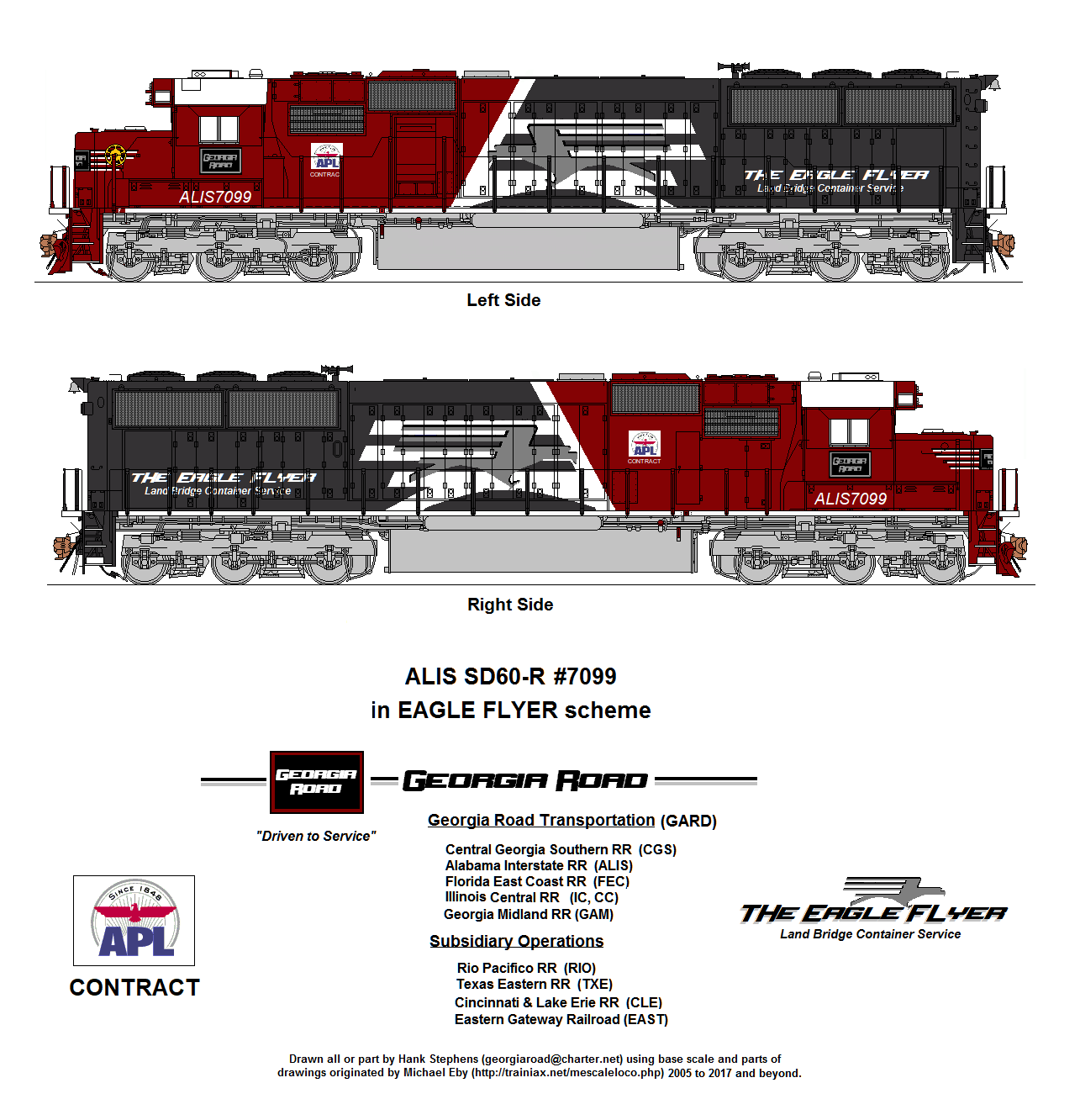
SD60R #7099 was acquired second hand from GATX leasing and was one of the three original EMD SD60 demonstrator units. The SD60R was a one-of-a-kind build, featuring the newly designed EMD HTC-R truck, which would become standard on the 70 series SD units. The unit was identical to its two demonstrator sisters, save the addition of the altered truck bolster and radial truck design. This new configuration allowed the truck to flex around curves with the idea of reducing rail wear. it spent several years testing at the AAR site in Colorado, then back at EMD in London, ON. After being passed to the EMD Leasing LLPX fleet in the late 1990s, it and its two sisters were acquired by GATX and continued to work around the country. In 2002, Georgia Road acquired all three demonstrator units in a group of mixed SD60 and SD60M group intended to support growing traffic on the former IC and CGS lines. After a complete rebuild, all the units went into general service, primarily based out of Memphis Terminal on the ICG subsidiary of Georgia Road.
In 2012, Georgia Road pulled various locomotives from its general fleet for remanufacturing in kind to be added to the Eagle Flyer Land-Bridge Intermodal Service. This service dated back to the early days of predecessor Central Alabama & Southern RR (CA&S) when CA&S landed the last leg of a transcontinental American Presidential Lines (APL) early double-stack contract trains running from the Port of Long Beach, CA to the Sea Path One facility at the former Charleston Navy Base in Charleston, SC. APL realized that it could move containers faster through North America by train than via the Panama Canal by ship. As container traffic grew, APL established an inland port at Atlanta, GA to service growing domestic long-distance coast to coast business, and train frequency and size increased. By the time Georgia Road acquired the CA&S estate, service had deteriorated, and it set about restoring the premium quality demanded by APL and others. As a result, the newest and most reliable power was pooled for the service, with generous horsepower per ton ratings and extra guaranty power not typical in most Georgia Road freight market segments. In the early years, these earmarked locomotives carried various APL Contract logos. In 2016, new SD70M-2 and ES44C4 units introduced the “Eagle Flyer” Scheme for the greatly expanded APL Contract service. In 2017 many of the existing units in the pool were shopped, restored and given the new Eagle Flyer scheme. SD60R #7099 became one of the few standard cabs to sport the new scheme, primarily due to its radial truck design that matched the SD70 and SD70M units that composed the lionshare of the Eagle Flyer pool at the time. It continues in the Eagle Flyer Service at this writing.
SD60/SD60E
a
 Georgia Road Transportation