OVERVIEW

The Florida & Gulf Railroad (FGC) is a medium-sized regional holding company operated by Florida Gulf Industries headquartered in Montgomery, Alabama which serves Florida, Georgia and Alabama as a primary link moving traffic between the Gulf Coast and Class One interchanges In Georgia and Alabama. Utilizing nearly 250 locomotives and over 5000 railcars, the railroad has a diverse revenue base ranging from manufactured goods, basic materials, coal, intermodal and pulp and paper. It services the Gulf region through four operating divisions, the Alabama Florida & Gulf (AFG), Floridia & Gulf Coast Railroad (FGC) and Alabama Midland System (AMRR) railroads. It also operates several heritage short lines acquired through the Alabama Midland System (AMRR) as well as the former Apalachicola Northern Railroad as the Apalachicola Railroad (AN).
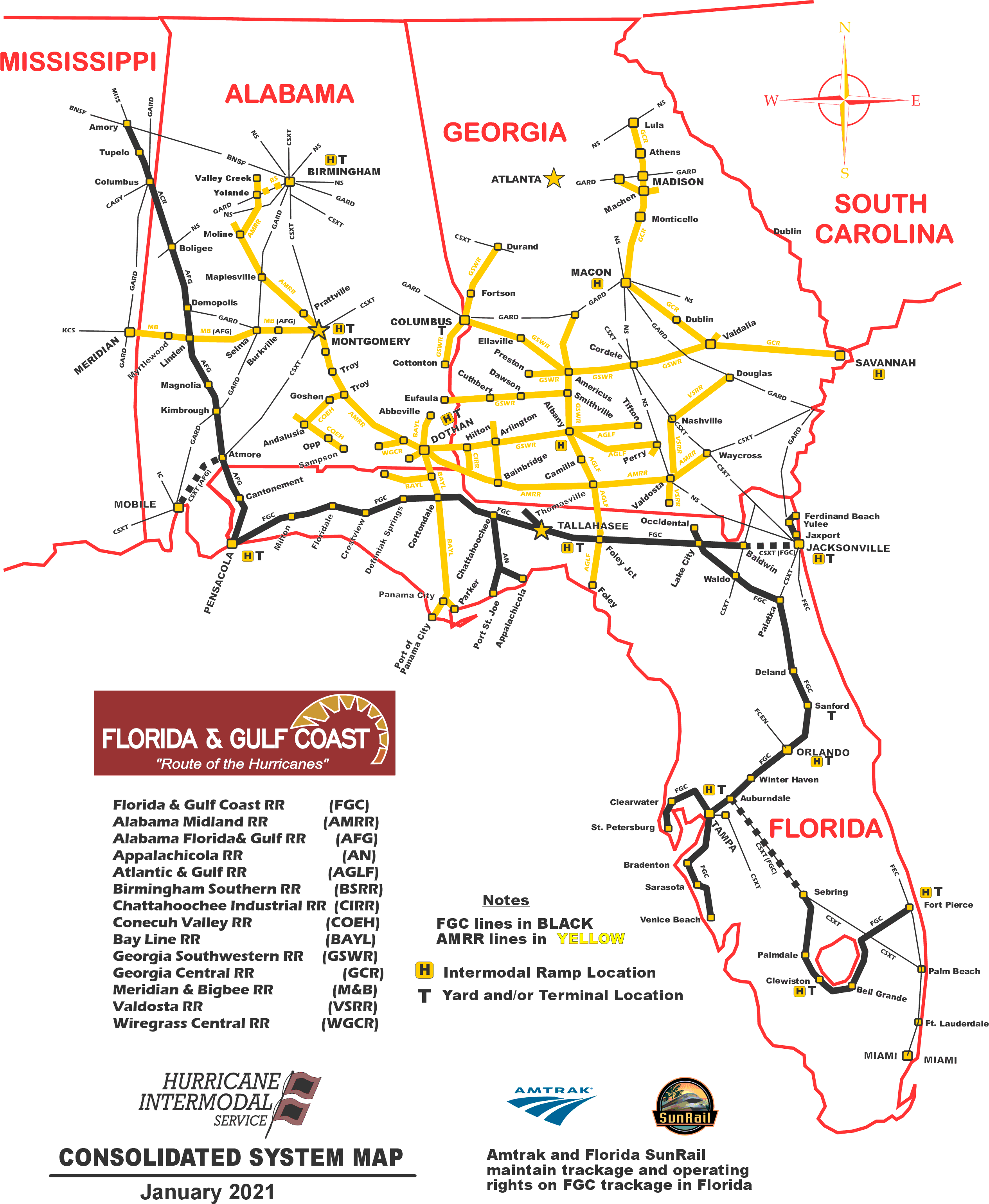
Commodities hauled range from manufactured goods such as new import automobiles, Amtrak directed passenger service, agriculture and basic building materials, timber and paper traffic, coal and manufactured goods. The principal system shops are at the former CSX Uceta Yard. The railroad operates automotive distribution and regional intermodal hub along with large transload operations in major cities across the system under its “Hurricane Intermodal Service” and “Sunburst Transload Terminal” brands. The heart of the railroad beats between Tampa and the former Alabama Midland System terminal operations in Dothan, AL. FGC operates the US Sugar Clewiston Cluster south of Tampa and moves finished sugar cane products to customers in the Southeast. It hauls basic construction materials such as sand and gravel for companies such as Vulcan, Martin Marietta and Conrad Yelvington. These moves between mining and distribution locations across the system falls under its “RockTrain” branded service. On the AMRR side at Dothan, Alabama, agriculture, pulp, paper and timber are marshalled from subsidiary short line operations into trains linking customers to Class One railroad networks through Birmingham, AL. It serves as the last leg of the Amtrak “Sunset Limited” linking New Orleans to Jacksonville, FL. along with being the designated state operator of SunRail Between Jacksonville and Tampa, FL. Coal trains come off the Georgia Road and serve two active fossil fuel plants in central Florida at Big Bend and Palatka, FL. Trains also interchange with the Port of Tampa.
The FGC system also links major commerce centers of Orlando, Tampa and Pensacola. The large Bay Line Shops on the Bay Line in Panama City, Florida act as the principal heavy maintenance point for the system, with running repair and service points at Dothan and Birmingham, AL. These three locations maintain all locomotives and rolling stock of the railroad and are capable of complete rebuilding programs. In recent years, FGC developed significant amounts of intermodal traffic under its “Hurricane Intermodal Service” in the Orlando, Tampa and Pensacola areas, including expedited shipping of the western version of Tropicana’s famed “Juice Train” that originates on the SunRail owned trackage centering around Orlando, FL in the Indian River Valley.
Pulp and paper also play a major role as FGC serves several paper mills on its Alabama Florida & Gulf Railroad subsidiary, running from the Florida panhandle city of Pensacola into the heart of Alabama to major interchanges at Birmingham, AL. The AFG also establishes the vital links with outside connections such as BNSF and Georgia Road at Birmingham, AL and Meridian, MS via Alabama Midland RR (AMRR) joint operations trains. Trackage rights into Mobile provide the regional with a deep-water seaport with barge links to Mexican railroads at Tampico, MX.
A growing commodity on the Cross-Florida Division is the handling of unit aggregate trains of sand and gravel between pits and quarries to various population centers on the system. One large move is daily sand and rock trains that move back and forth from several mines to distribution yards in Birmingham, Tampa and Orlando. These moves are branded under the “RockTrain” service, where dedicated units trains move the materials in systemized blocks to producers in a “Just in Time” fashion, reducing storage and railcar costs.

Coal is a relatively new commodity on the FGC, providing a new revenue stream as the railroad began handling Powder River Coal trains for the City of Orlando and Seminole Power. Recent contracts see coal delivered to the Big Bend Plant for TECO from mines in Kentucky and West Virginia as well as the Powder River trains in Wyoming.
HISTORY
The Florida & Gulf Coast combined system originated as a small short line operation in the early 1980s as a branch line operator of several former West Point Route, L&N and CofGA branches in South Central Alabama. From these humble beginnings, the original road known as the Alabama, Florida & Gulf Railroad (AFG) and its subsidiaries eked out a living hauling pulpwood, woodchips and paper. As the 1990s progressed, changes in the paper industry reduced the number of mills through closure and consolidation and most of the wood traffic dried up. Service was reduced and some smaller operations were abandoned with no traffic to support them. The dismal fate of the AF&G would change drastically when it added the BN ex-Frisco lines in Alabama, including terminal trackage around Mobile, AL. to its system.
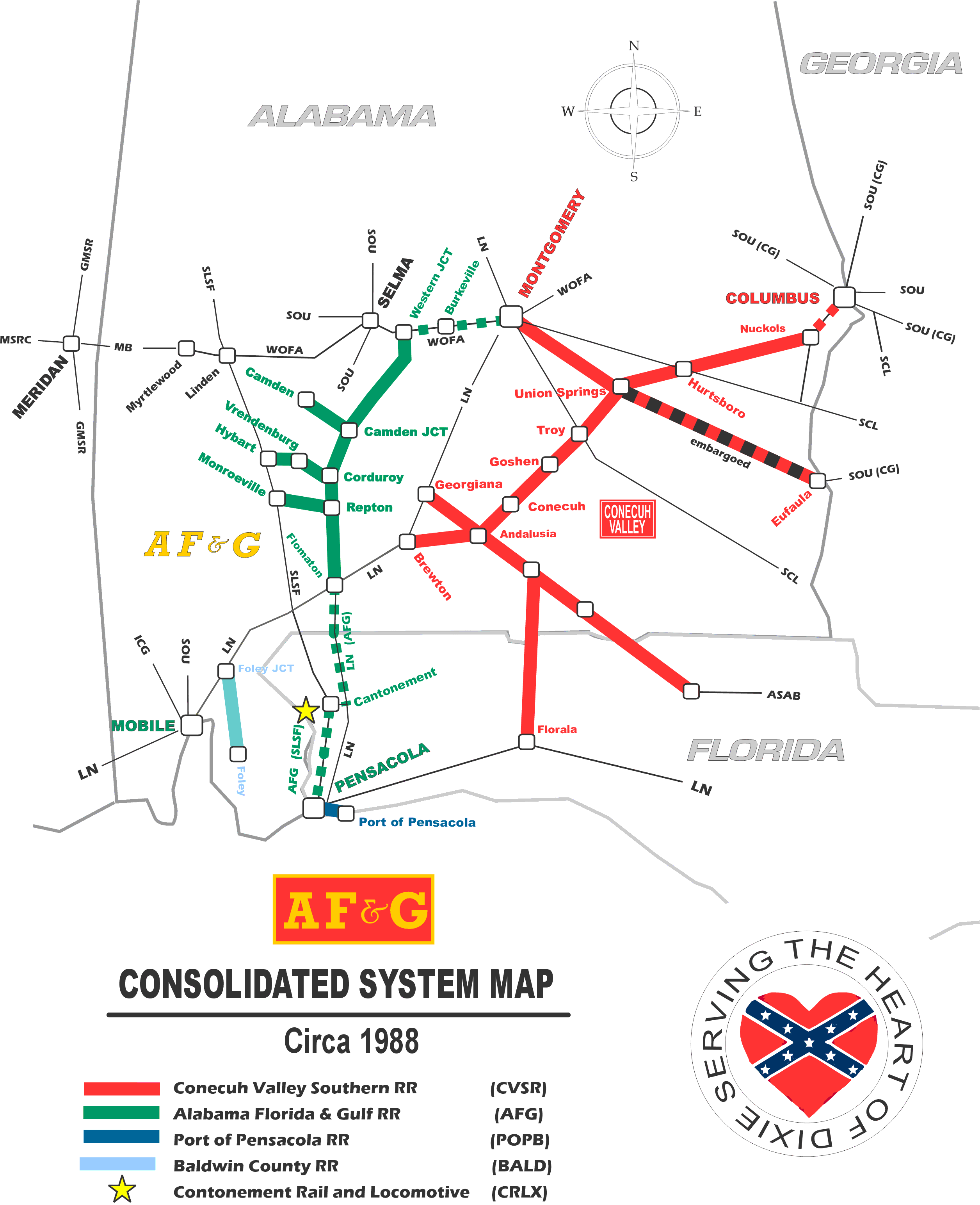

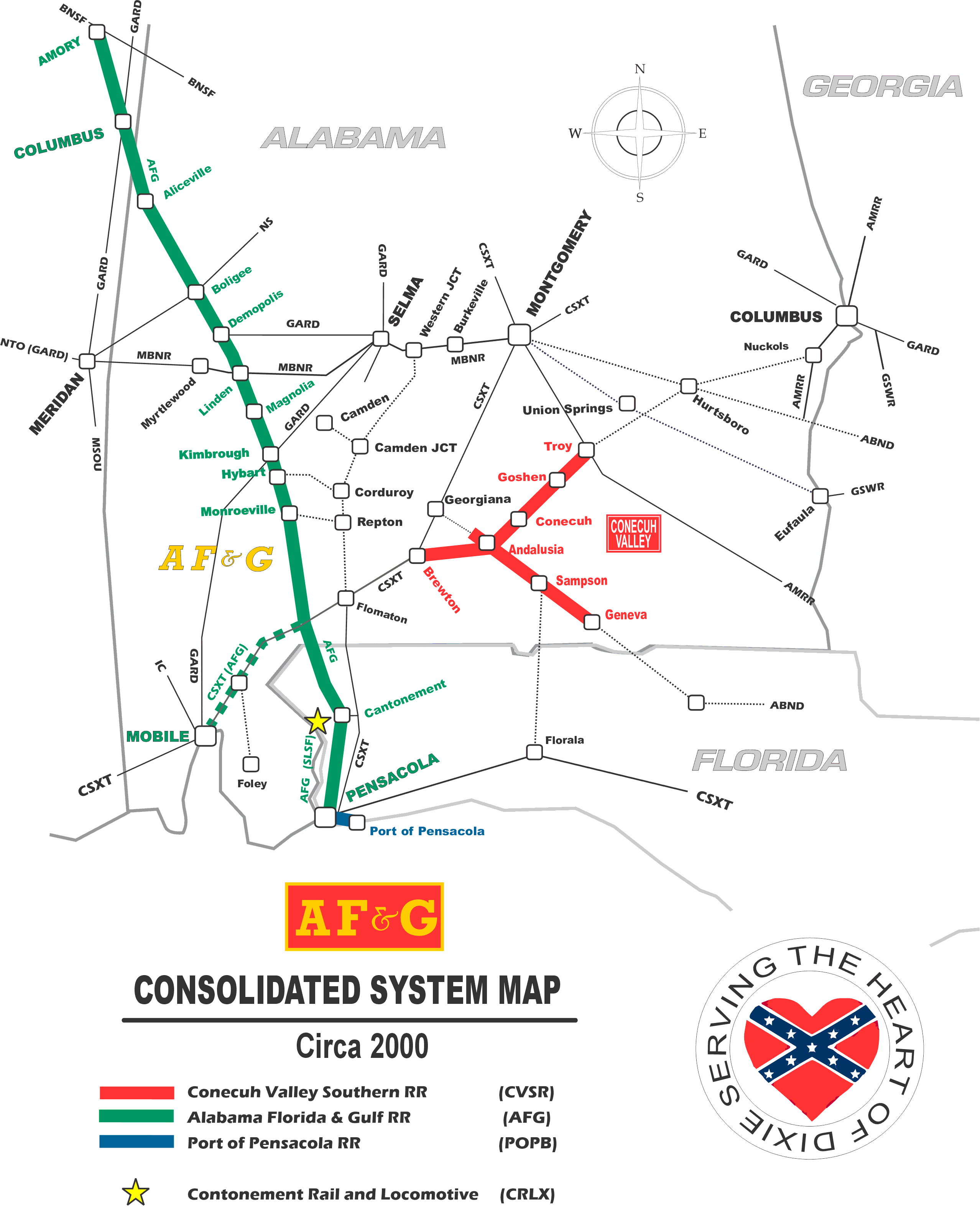
The 2000s brought new opportunity for the AF&G road when current owner MDRail Transportation placed its Florida & Gulf Coast Railroad (FGC) property for sale. MDRail purchased the trackage for the FGC in early 2001 and ran it for several years. It consisted of the ex CSX PD& P&A Subdivisions across the Panhandle which MDRail added to its original FGC trackage in Central Florida centering in Tampa. This created a system that linked the Gulf Coast of Florida with the original AF&G which moved FGC traffic over its ex BN lines to interchange with Georgia Road and BNSF.
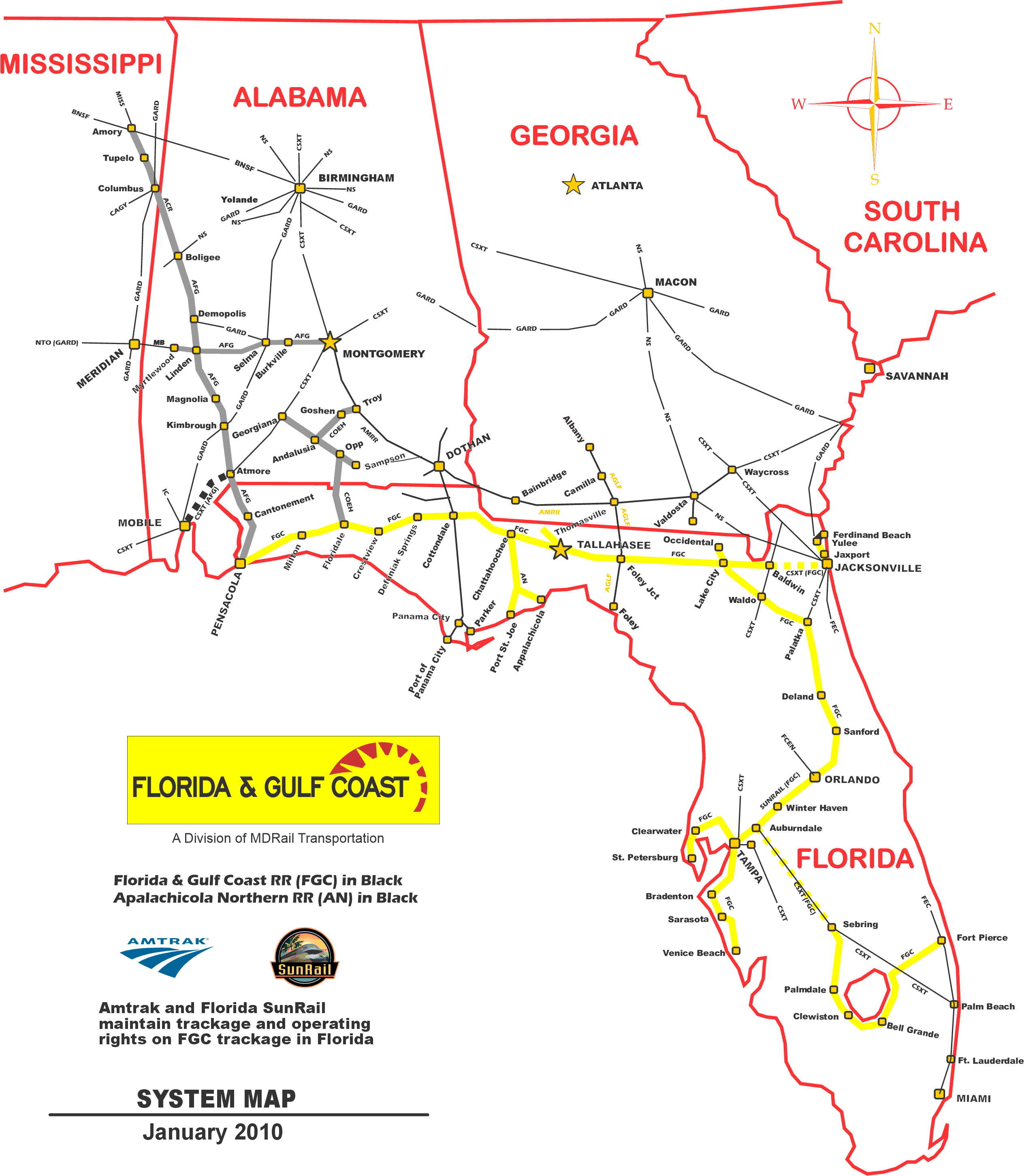
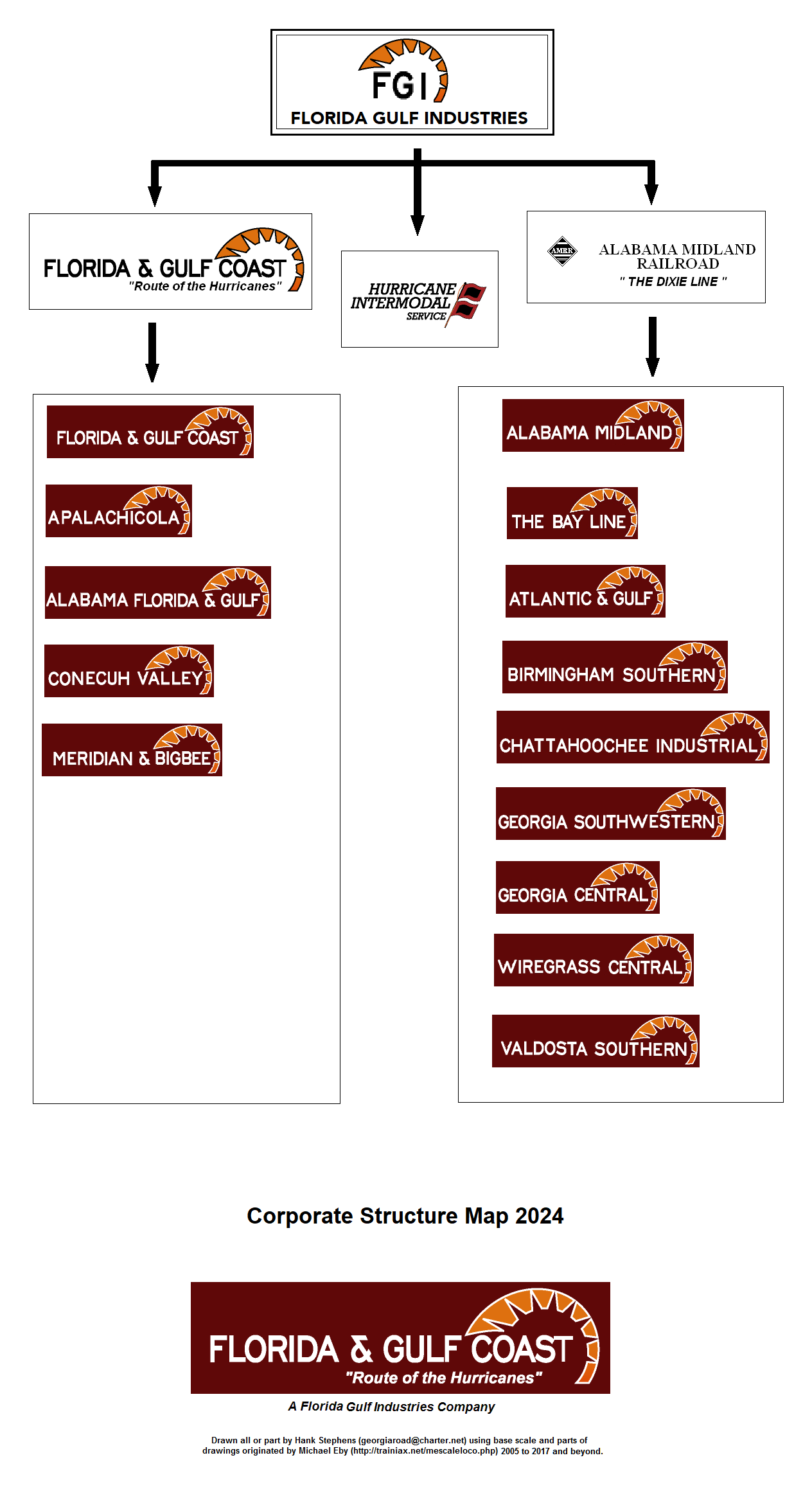
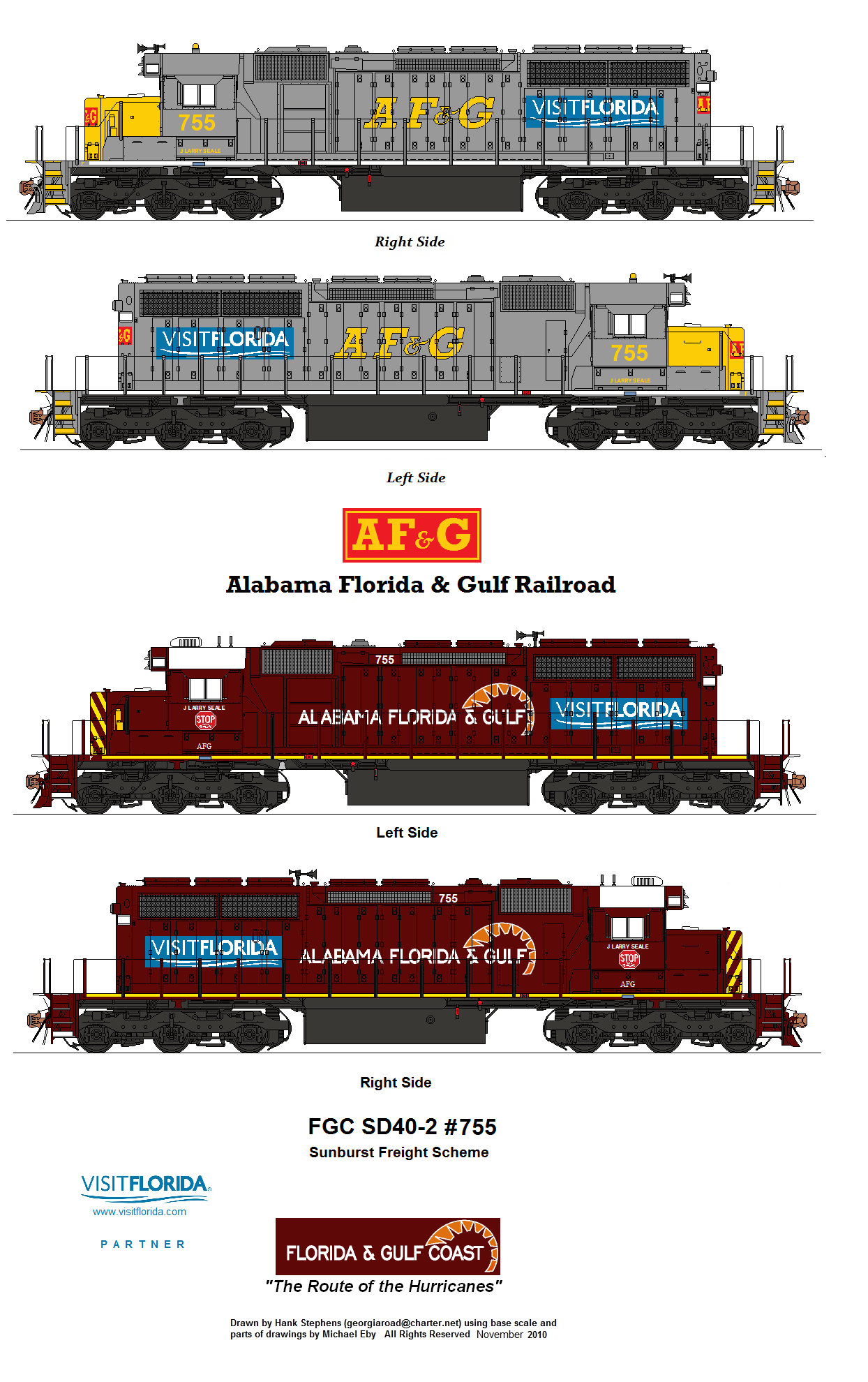
In 2008, MDrail decided to divest the FGC, using sale proceeds to solidify its Capital Bypass routes around Washington DC and the beltway. AF&G immediately purchased the railroad through a new holding company, Florida Gulf Industries (FGI). The FGI holding company would purchase the FGC and also contain the original AF&G properties under one corporate umbrella. FGI adopted the “Sunburst” logo as its corporate trademark. The plan was to keep the railroads locally managed, but to consolidate overhead rates into major interchanges, simplify billing and combine asset maintenance functions with greater purchasing power. While the AF&G maintained its L&N style locomotive and rolling stock livery since it began in the 1980s, the decision was made to repaint all locomotives in a similar basic paint with only reporting marks and railroad names changed to suit.
The new FGC-AF&G combination proved a smart move as overhead traffic could now be moved under the consolidated banner. FGC solidified its designated operator status for SunRail, and extended the service into Jacksonville via CSXT trackage rights from the eastern-most contiguous location of Baldwin to Jacksonville. The new corporate FGC system also worked with the Alabama Midland System (AMRR) to build its primary western interchange in Birmingham, AL. FGC trains would move across Florida, up the AF&G and over to Montgomery, AL were AMRR ex GM&O lines linked into the Georgia Road near Birmingham, AL AMRR bought the US Steel Birmingham Southern RR (BS) from Transtar in the mid 2000s as USX closed its Fairfield Steel mill. AMRR quickly ressurected the new AMRR controlled BS as a terminal road to facilitate easier interchange of both AMRR and FGC traffic coming from the Gulf region.
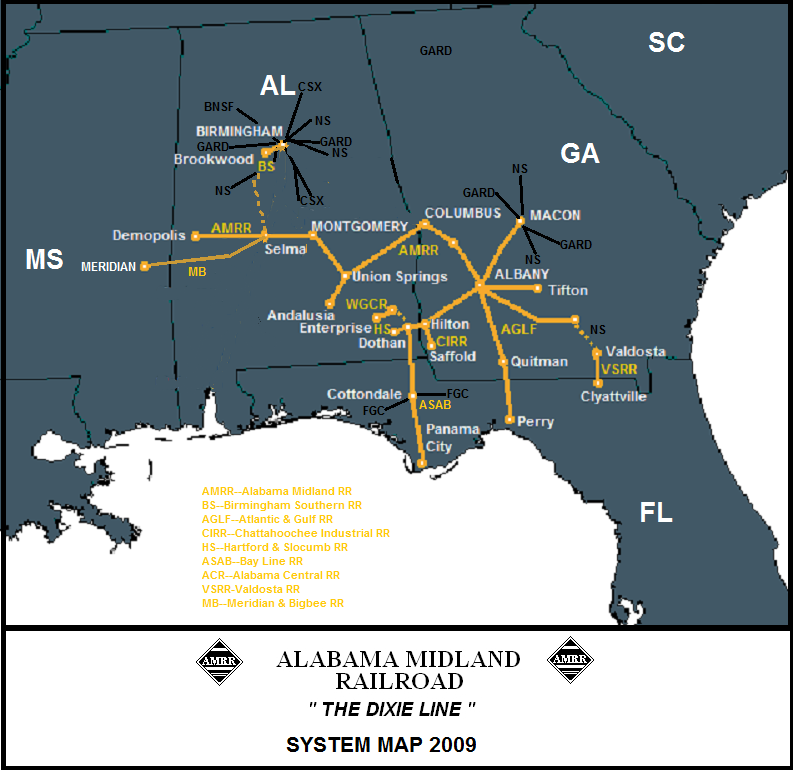
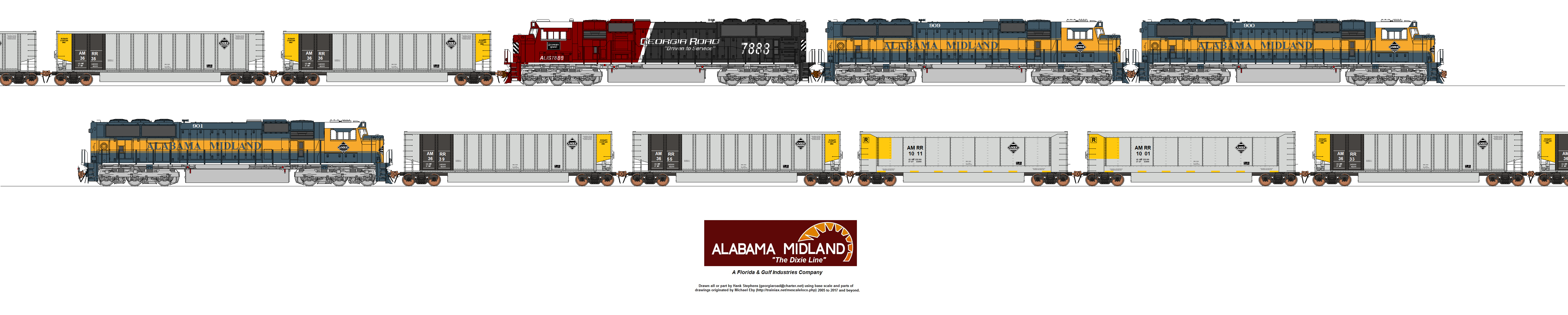
The Alabama Midland System was mostly a conglomeration of short lines and regionals in South Alabama and Georgia. After mill closures and manufacturing changes after the great recession of 2008-09, AMRR revenue was hit hard. With most of its growth tied to the expanding FGC system, talks were initiated for a merger of sorts between the FGC and the AMRR. This would become a reality by 2018 as the FGC and AMRR combined system worked to streamline operations between the two and reduce redundancy in the South Georgia and Florida Panhandle region. AMRR brought its corporate headquarters at the restored Montgomery, AL Union Station and the heavy shop location at Birmingham, AL (The former Birmingham Southern RR) and the modern facility on the Bay Line at Panama City, FL. Recent hurricane disruption made Montgomery a better corporate location from Tampa, and the AMRR terminal at Dothan was improved as a marshalling point for all AMRR and FGC traffic. From Dothan, heavy trains ran west and north to link the new system with Class One interchanges. Duplicate track was abandoned or idled for car storage. The FGC system opened Hurricane Intermodal and Sunburst Transload terminals on the AMRR and improved motive power utilization. Plans were to eventually place all of the AMRR locomotives in corporate paint as they came up for heavy repair or potential rebuild. The AMRR had been around since the early 1990s and had seen two paint scheme changes since its inception. While the mid 2000s strained finances on the independent AMRR, its conservative take on motive power and rolling stock rendered a stock of older but well-maintained secondhand locomotives.
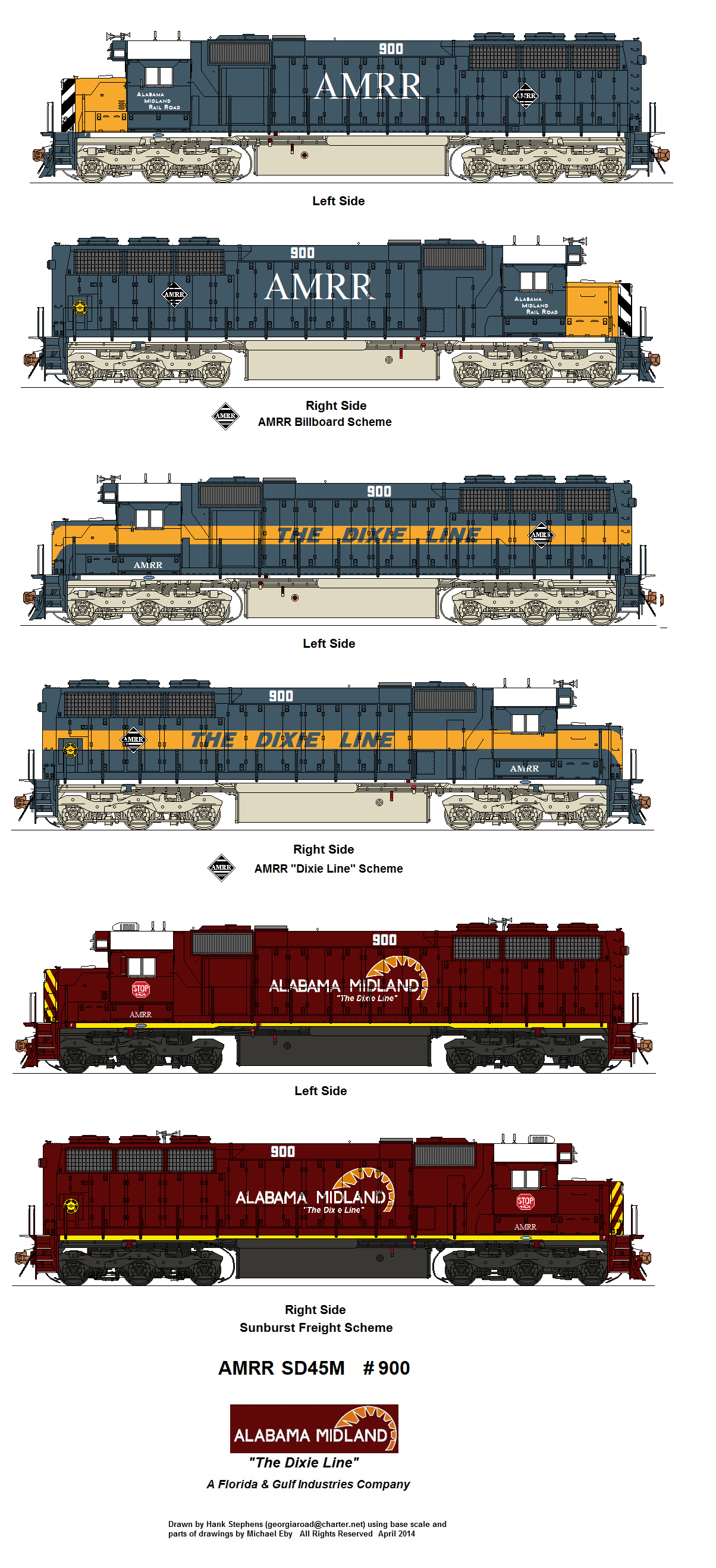
In late 2022, the combined AMRR-FGC system purchased several Florida Central branch lines around Orlando from the Pinsly Group. These branches were purchased back in the late 1980s under the Florida Central Railroad (FCEN) name and experienced significant traffic growth by 2020 as Orlando expanded. Most notably was the ethanol transfer facility built in 2019 on the FCEN that regularly unloaded 85 car trains. Purchasing the Pinsly lines allowed the modern FGC System to capture long haul ethanol business from the Georgia Road at Birmingham or BNSF at Amory.
As 2025 approaches, the FGI controlled FGC system continues to optimize its light density network, focusing on potential new inland port traffic in both Georgia and Alabama focused on the growing automotive industry in GA, AL and MS. The FGC is also working with the State of Florida on the new SunRail commuter and rail transportation network aimed at connecting regular service to the new Amtrak Mobile, AL station by way of the Cross-Florida Division between Baldwin and Pensacola. Expansion of Hurricane Intermodal Ramps in North Orlando and Tampa continue, as the railroad pulls more Gulf Coast less than truck load (LTL), retail package and express traffic for trucking and logistics companies such as UPS, FedEx, ABF. FGC has proven that it can competitively run regional intermodal trains to escape traffic delays on busy Florida interstates and highways in western Florida and the Panhandle region..
 Georgia Road Transportation