OVERVIEW
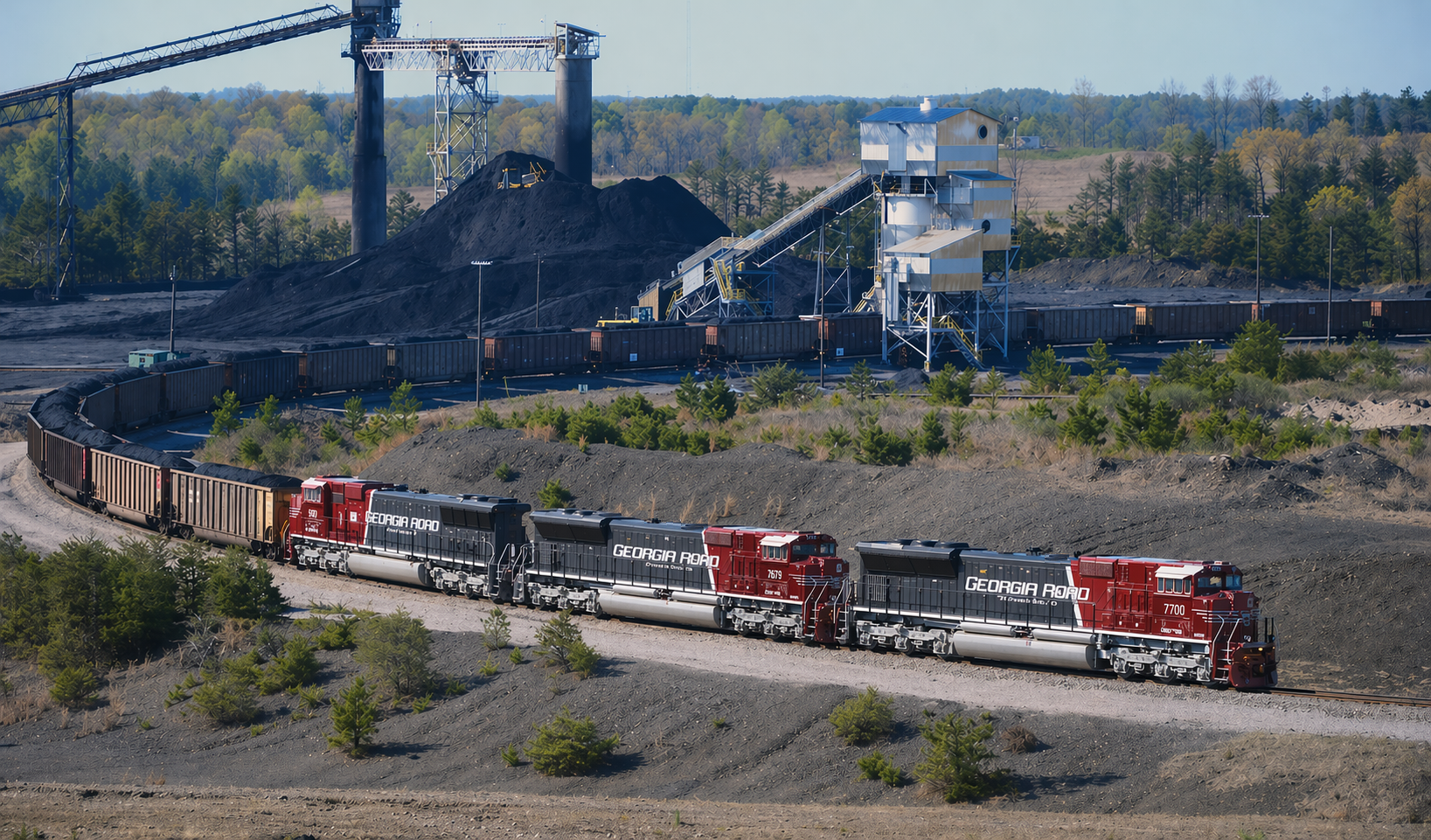
The interim between creation of a defining concept and development of a completed layout can span a great deal of time. Some modelers use the time to model areas of interest, whether related to a layout or not. Others become more collectors than modelers since there is no layout to provide guardrails around purchases. In some cases, a protracted time frame can give rise for the modeler to fully detail operations and build models aimed specifically toward the finished layout. The final result is time between the concept design and a functioning layout becomes a highly constructive means to the end result.
Using the idea of Layout Design Elements (LDE), operational simulations (OS) and model making can be ideal in the struggle to go from initial concepting to final operating layout design. Emphasis must first be focused on the “how and why” of the overall concept. This involves picking a locale and era and researching both prototype and individual modeling interests. Defining and developing an overall general concept is paramount for a mature, concrete layout plan, particularly in prototype freelance modeling. A plausible world has to be created and prototyped that encompasses both the limits of reality and the modeler’s own preferences. The reality creates guardrails to keep the modeler’s individual interests grounded. This is the major difference between pure freelance and prototype freelance modeling. With a good concept creating the backbone of the design, next the modeler has to establish major operational schemes such as yards, industry and even notable geographical points. This is done though the Layout Design Element. Each LDE represent a major operational area or scene that works with other similar LDE sections that combine to support the overall concept. Once the LDEs are designed, overall layout operations can be designed that link them into the whole.
Using Operational Simulation, the combined LDE sections interact to create a plausible operation that plausibly supports the concept. Focusing on each LDE and OE on the potential layout allows exploration and experimentation before the first benchwork boards are cut. Many times, operational issues are exposed as these specific parts are fleshed out. Revision becomes part of the process instead of an afterthought. Operations can be tested on paper, exposing hidden issues in track plans. Operational quirks specific to each LDE or OS can be specifically examined as to and how they interact. This tests scenery, track and potential train operations and exposes how each individual piece fits into the whole. The result is not only a well-developed concept but a better final design. The design of the physical track plan is generated for the space available and will have a high degree of finish before it is built. For the modeler facing a long time between concept and layout, the last step would be to model specifics to the LDE and OS results. Having a specific concept and completed operational design focuses acquisition and modeling. It also reduces frustration from being overwhelmed by the whole or failure to move forward.
CONCEPT
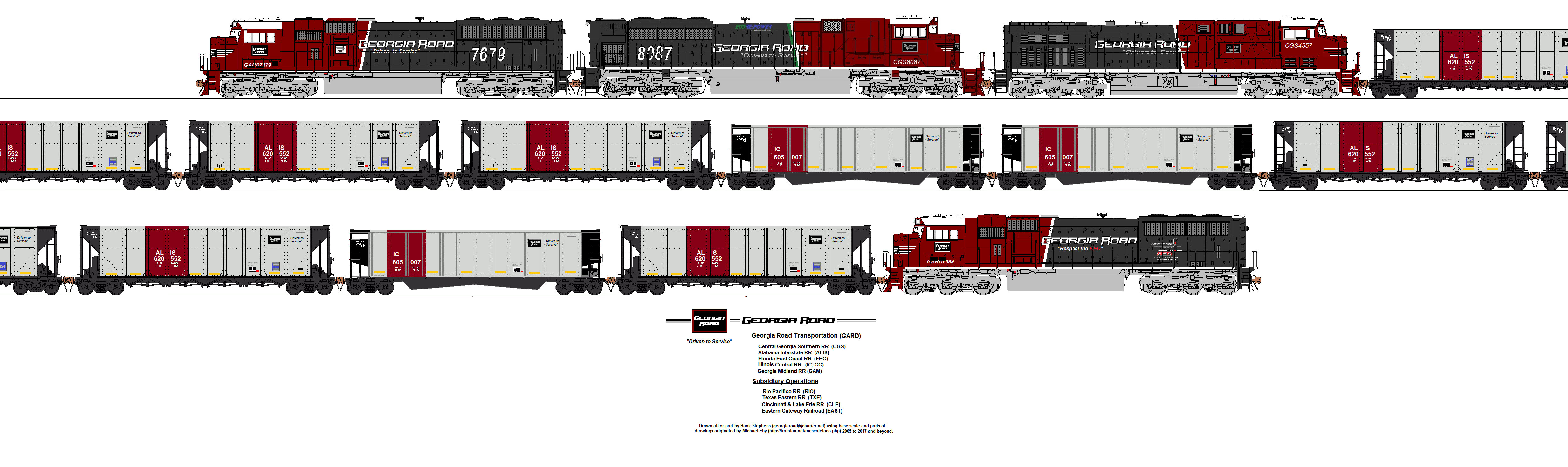
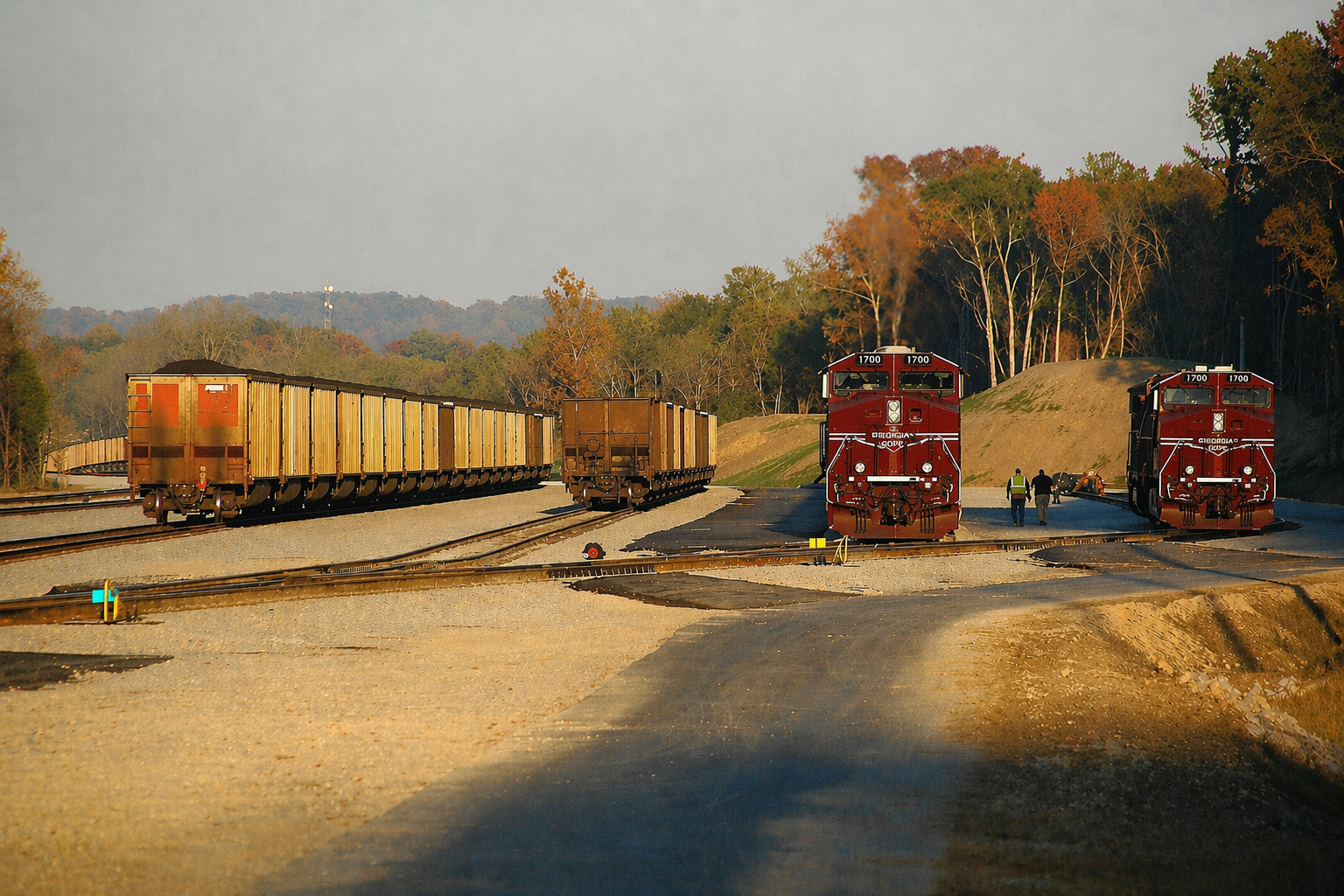
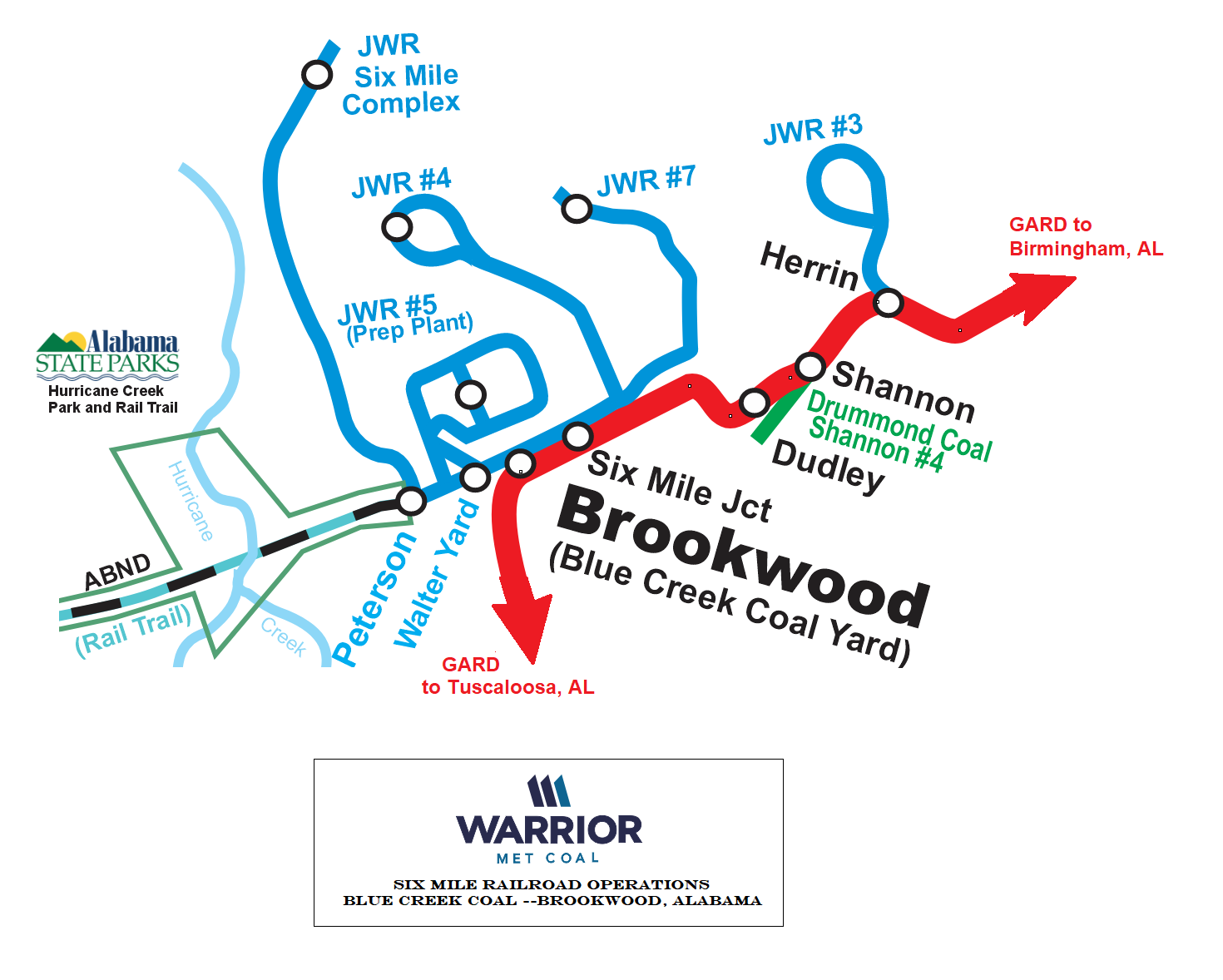
The idea of LDE and OS have proven a useful tool in designing Georgia Road Transportation—Alabama Interstate Division in HO Scale. The overall concept focuses on Alabama coal operations with a freelance twist, and a critical LDE is the design of Brookwood, AL. Brookwood is located approximately halfway between Birmingham, AL and Tuscaloosa, AL and is the interchange between the Georgia Road and the Warrior Met Coal (formerly Jim Walters Resources) mine-to- rail operation, known on the Georgia Road as the Six Mile Railroad operation. The Six Mile Railroad is completely owned by Warrior Met Coal, a prototype coal company operating in the Brookwood area. Where the prototype operation decided to use nearly 30 miles of combined overland conveyor systems to move raw coal from nearby deep shaft mines to its preparation plant and rail load out, the freelance Six Mile Railroad altered history by seeing a rail system built INSTEAD of the conveyors to move the coal. Where the prototype CSX moves coal from the preparation plant fed by mine linked conveyors, the Warrior Met Six Mile Railroad Operation moves the coal from mines to a large preparation plant. Georgia Road unit trains then take the place of the prototype CSX coal trains on what is a major connector mainline instead of the prototype branch.

The Six Mile Railroad is a dedicated railroad built by predecessor Jim Walter Resources (JWR). Which historically delved into railroading in the 1960s with its Mary Lee coal mining operations northwest of Birmingham, AL. JWR moved coal to subsidiary Sloss Industries on the Mary Lee Railroad to create coke to feed the Sloss Blast furnace in downtown Birmingham which in turn fed its United States Pipe and Foundry operations later renamed simply as US Pipe. Using its coal mining and railroading experience, JWR opened several new mines around Brookwood, AL in the early 1970s. These mines were linked by rail to a central preparation plant and finished coal load out. The cyclical nature of coal demand both domestic and export eventually took its toll on JWR sending it into bankruptcy in the mid 2000s. Warrior Met Coal rose from the ashes and operates the local mines and connecting railroad today.
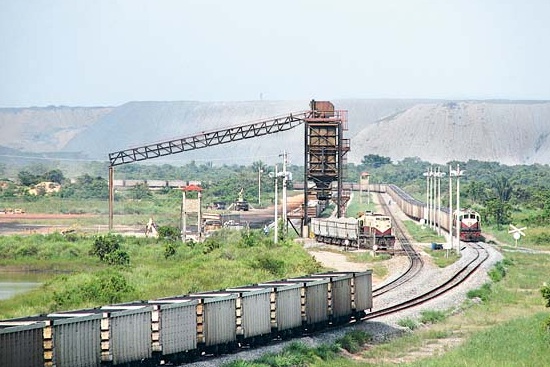
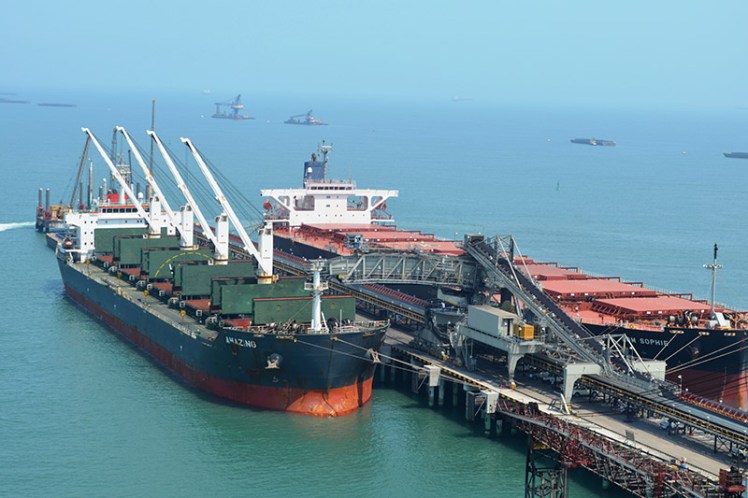
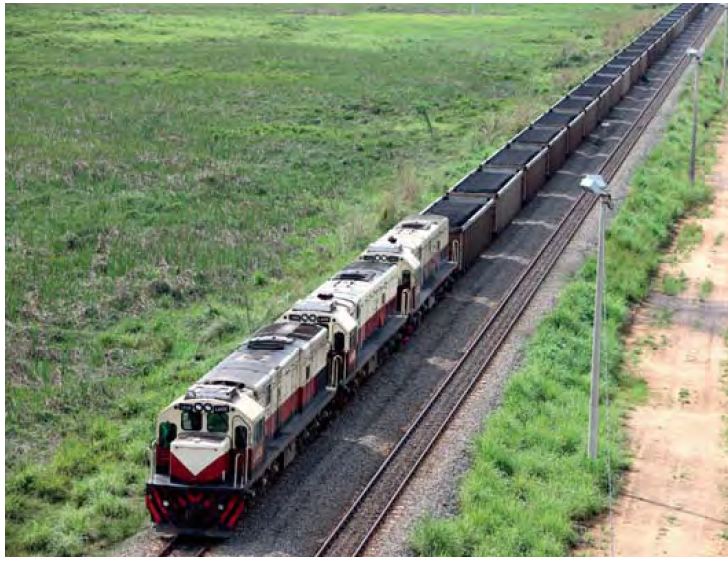
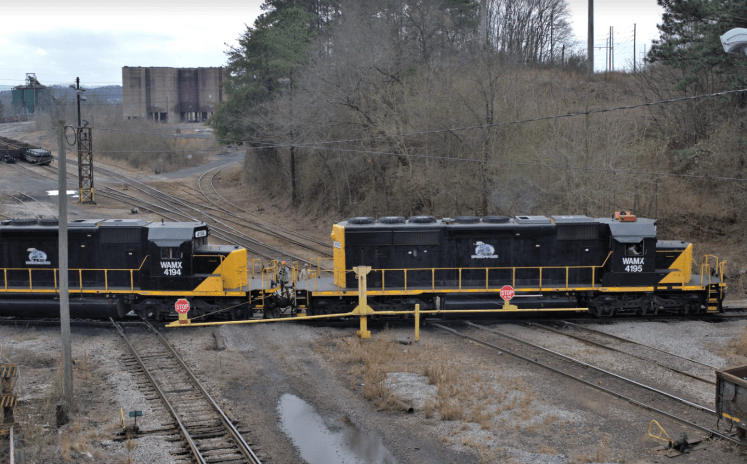
The 21st Century operation of the Warrior Met Coal involves company owned shuttle trains used to load raw coal from three mine-mouth locations and move it by intraplant railroad to a recently expanded preparation complex. Coal is dumped, stored and eventually pulled into the preparation plant to be washed cleaned of non-coal debris and sized to customer requirements. From there it is staged in large silos and loaded on waiting Georgia Road unit coal trains. Finished coal is produced primarily for export as coking coal for foreign steelmakers. Some coal is also taken to barges for use as steam coal or for domestic coking. Occasional Six Mile trains load and exercise trackage rights over the Georgia Road into nearby Birmingham to supply coal to the ABC Coke plant in the Tarrant City area of Birmingham proper.
Six Mile is both modern and recent when compared to other coal operations in the US. The four principal mines were opened in the 1970s and the new Six Mile Mine was opened in the mid-2000s when the decision was made to build a railroad instead of the conveyor system that is in use on the prototype today. As with many coal, ore and steel operations of the time, 2000hp normally aspirated SD38, SD38M and SD38-2 units augmented with traction extending slugs were the primary choice for power. These units tended to strike a good balance between lugging ability and ease of maintenance for the intraplant railroad. A few odd ball units finished the roster, due to suitability for specific tasks required in addition to shuttle train movements. With the addition of the ABC Coke shuttles between the Six Mile operation and the Tarrant City facility, newer power was introduced to meet minimum PTC requirements on the Georgia Road portion of the trip.
While I did take modeler’s license to enhance operations, keeping the feel of the prototype coal operations was key. As a result, I have the makings for a modern coal railroad operation in a part of the country rarely seen. Although freelance, there is enough prototype history and form to maintain the feeling of what “could have been had a railroad system been built instead of the prototype conveyor system.
PROTOTYPE HISTORY
At this point, the “big picture” of the concept is in place. The next question hinges on how the specific operations interact with each other. Creating a believable fictional “what if” story requires more prototypical truth than fantasy. The modeler has to use prototype history and general knowledge to justify the changes that move the concept from prototype emulation to prototype freelance. It can be a slippery slope. While pure freelancers are unbound, prototype freelancers have to build a plausible world and then model it. The first step is knowing the subject through observation and historical research. What follows is a historical and current overview of actual operations in the area to be modeled.
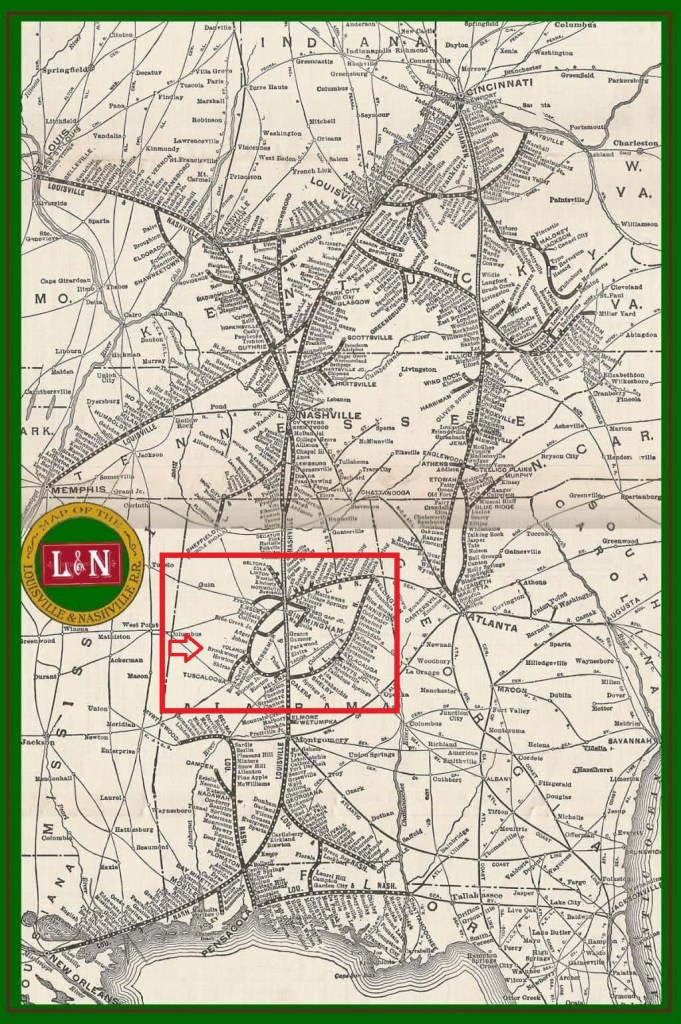
Most railfans and model railroaders rarely connect coal mining to the state of Alabama. Truth be known, the close proximity of dolomite limestone, iron and coal deposits around Birmingham, AL made the city a perfect location for steel making. The late 18th and most of the 19th century saw the growth of cast iron founding, steel making and heavy fabrication. Several steel mills cropped up around the city, fed by surrounding mining in the foothills of Appalachia located in North Alabama. By the mid 20th century, Birmingham was coined “the Pittsburg of the South” due to the sheer number and concentration of foundries, steel producing mills and heavy steel related manufacturing. As the 20th century closed, cheap foreign steel encroached on remaining iron related industry. Higher quality iron ore was shipped into the few mills still using it, and coal supplied Alabama steam plants more than steel making. The one bright spot was the Warrior coal fields of the Blue Creek Seam between Birmingham, AL and Tuscaloosa, AL. This bituminous coal had a high carbon content which made if perfect for metallurgical coking. High strength steel required the addition of pure carbon in its manufacture, and coke produced from the Blue Creek coal was perfect for such high-end steelmaking. Blue Creek metallurgical coal was sought after by Japanese steel makers in the 1980s, and later emerging markets in China and Eurasia in the 21st century. As a result, coal mining in the region survived past the idling of the last BOF furnace in Birmingham in the 2000s. Large scale coal mining, once as prolific around Birmingham as the furnaces they fed, was also a shadow of its glory days in the 1970s and 1980s. As of 2025, Alabama is home to three large mining companies, Drummond Coal Company, bankrupt former Jim Walter Resources Inc (JWR) property reconstituted under the name Warrior Met Coal and Peabody Coal. A few smaller independent operations also existed into the 2000s, also.
DRUMMOND COAL COMPANY
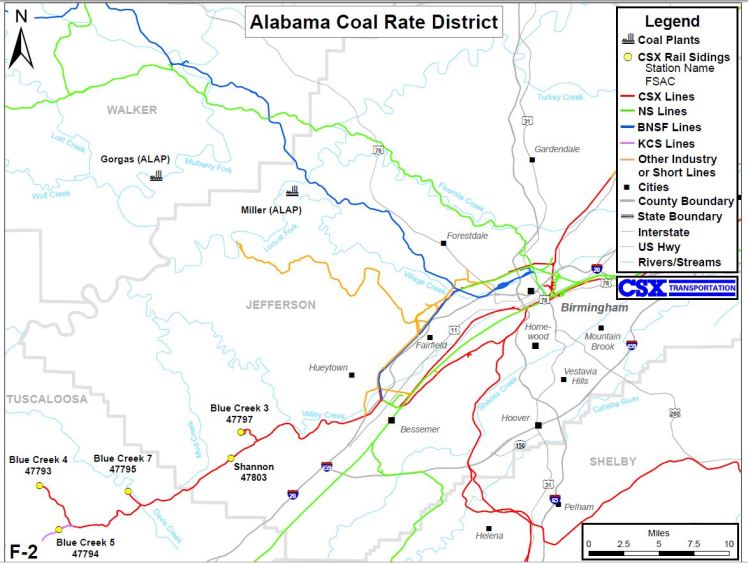
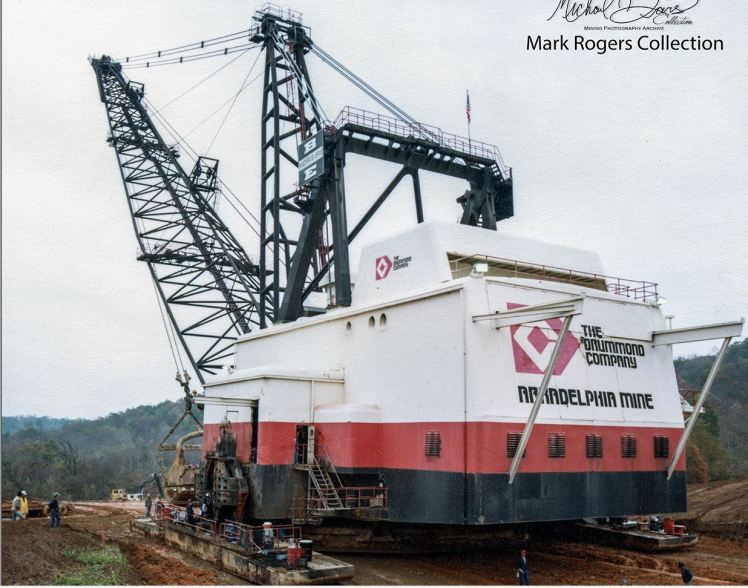
Drummond Coal Company was a major player from the 1950s into the 1990s, digging and strip mining the Blue Creek seam to feed Alabama steam plants and coal for coking and steelmaking in Birmingham, AL. Drummond started and remained a family-owned business headquartered in Birmingham, AL. Drummond Coal began in 1935 as an independent mine at Sipsey in Jasper. AL and later expanded to own several strip-mining locations including Arkadelphia, Bessie, Sipsey and other minor locations. Drummond entered the modern strip mine business in the 1970s with the opening of the Kellerman and Shannon Mine Strip Fields, purchased in the 1969. Drummond purchased three massive drag lines to work the Kellerman-Shannon fields to supply a 15-year contract to supply coal to Alabama Power Plant Miller off the BN at Palos, AL. In 1985, Drummond bought ABC Corporation which owned a large coking plant in Tarrant City in Greater Birmingham, AL. Coal was mined around Brookwood, and sent by rail to the Miller Steam plant, or to the export docks at Mobile, AL or to the coke ovens at ABC Coke. The coke supplied not only Birmingham area steelmaking but was also exported to Japan for Nippon Steel. During the 1990s. Along with its later Shannon mine stripping operation, it opened up a deep shaft mine at Shoad Creek north of Brookwood that was accessible only by river. It loaded coal barges to transit coal to power plants around Mobile, AL and later export. With increasing EPA emissions standards, Alabama coal was substituted for cleaner burning Wyoming Powder River Basin coal at Plant Miller, and Drummond lost its major domestic contract. Other steam plants closed or switched to low sulpur coal from out of state. Drummond transitioned the bulk of its coal mining operations to Colombia where it built a complete mine, rail line and export dock to export Colombian coal to consumers around the world. The Colombian operation could easily satisfy coal export contracts to Japan and Europe at a cheaper cost.
As EPA rules curtailed emissions from coal fired generation plants in the 2000s, most fossil fuel plants were forced to add expensive limestone scrubbers or in most cases, switch to cleaner out-of-state Wyoming Powder River coal. Many of the oldest plants were closed with capacity replaced by natural gas turbine plants as domestic fracking released new natural gas fields. Add to this the public accusations of bribery of certain Alabama politicians and the bad reputation of strip mining in general ended most Drummond domestic production by the early 2000s. Drummond moved all of its production to Columbia at what would become the of the largest coal strip mining operation in the world.
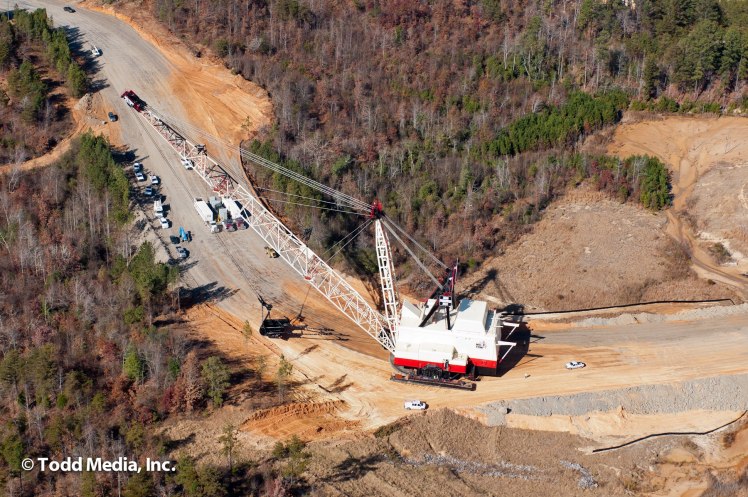
A surge in the worldwide metallurgical coal market prompted Drummond to attempt a resurrection of its Shannon strip mine during the coal boom of the early 2000s. During the coal boom in 2011, record high prices and demand prompted Drummond to build a new rail load out near Dudley, AL and load test coal trains for export in conjunction with CSXT via a subsidiary called Twin Pines Mining. Drummond also rebuilt its long-idled Drag Line “Mr. Tom” and moved it nearly 18 miles to the new Shannon #4 strip mine at Dudley. The boom was short lived, and “Mr. Tom” never moved from its staging location near the new loadout, which fell dormant also. In 2025, It still waits for a domestic resurgence and is a curiosity to railfans and onlookers who see it beside the partially opened strip mine and idle coal loading tipple. ABC Coke continues to be a going concern, coking coal produced at the former USX Concord mine inside northwest Birmingham, AL. Its only remaining deep shaft mine at Shoal Creek was maintained at a fraction of production until it was sold to Peabody Coal Company in the middle 2000s. As of 2025, Drummond Coal’s only significant domestic holdings are ABC Coke and the idled Shannon Mine Complex.
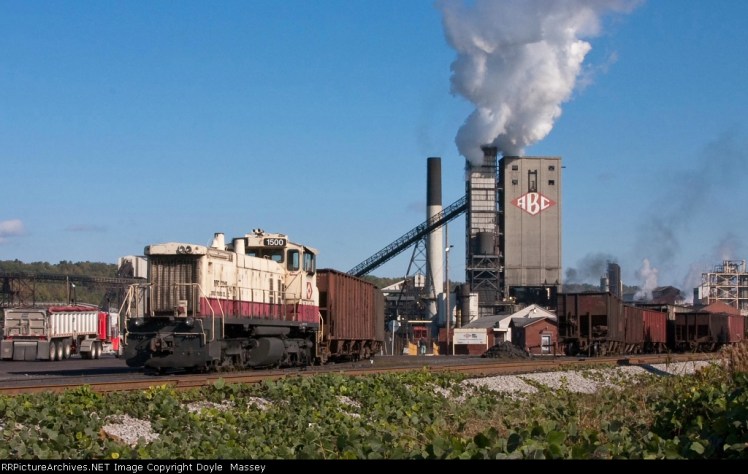
JIM WALTER RESOURCES AND WARRIOR MET COAL
Jim Walter Resources Inc (JWR) came on the scene in the late 1960s when Florida builder Jim Walter Industries bought the United States Pipe and Foundry (USP&F). Owner Jim Walter built a home construction empire in Florida building homes for returning WW2 soldiers under the name of Jim Walter Homes. He purchased mills to produce the lumber, roofing (Celotex) and eventually house plumbing fixtures (US PIPE). He built a corporation around a novel business model where homes were built and sold complete or near complete to middle class families in the Deep South using an integrated supply chain and in-house financing. The USP&F (US Pipe) purchase introduced him to the blossoming coal business in Alabama. USP&F had its own mine and railroad supplying coal to its own coking operation and foundry. Called the Mary Lee Railroad, the line worked south and east from the large Mary Lee Mine in Northwest Birmingham to the Sloss coking plant near the sprawling USP&F complex. JWR also purchased Sloss Industries, which included the historic Sloss Ballast Furnace in downtown Birmingham and the Coking plant in Tarrant City next to US Pipe. Sloss iron and steel was used at the US Pipe operation.
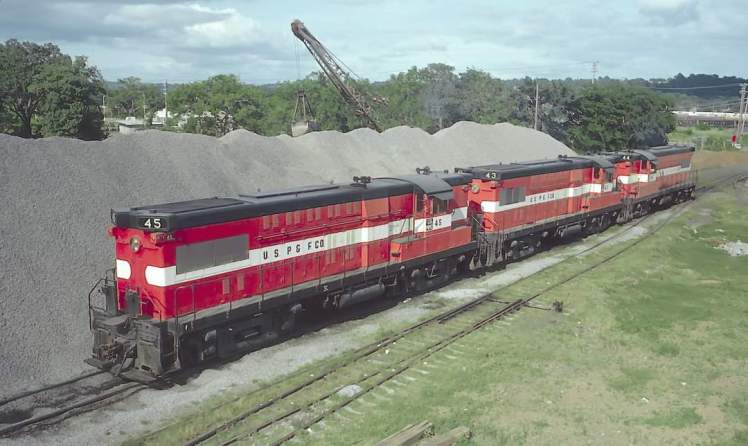
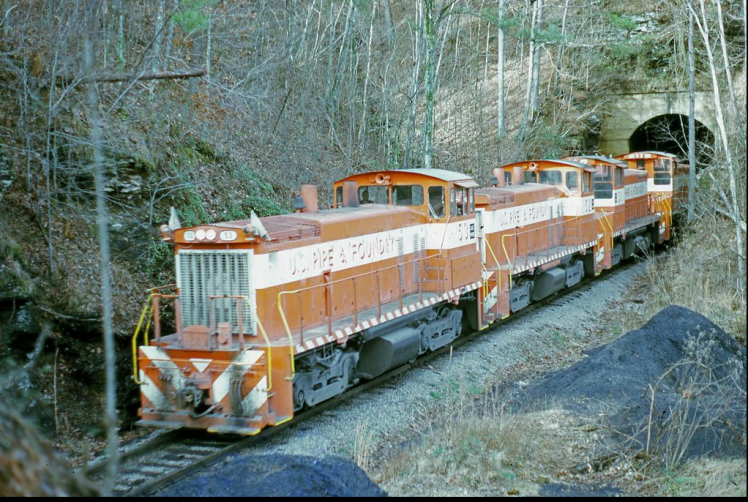
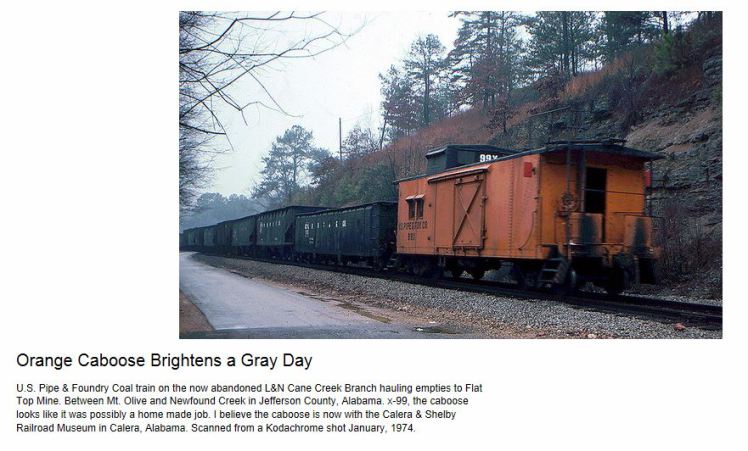
Coal mining in Alabama proved to be more lucrative than the housing industry, which was slumping in the early 1980s. Sloss had ceased production at its Blast Furnace, and the Mary Lee was mined out. Lawsuits over asbestos in Celotex roofing and siding material forced it into bankruptcy during the same period. As a result, Jim Walter Corporation (the corporate holding company) sold most of his homebuilding supply business to invest heavily in coal in the 1970s. With the exception of the sales and financing side of Jim Walter Homes, the corporation founded on homebuilding divested much of its building supply chain including US Pipe. Jim Walter Industries developed a series of deep shaft mines around Brookwood, Alabama under the name Jim Walter Resources (JWR) in 1979. JWR inked deals with Alabama Power and Nippon Steel in Japan in the 1980s. This was a boom time, marred only by the JWR #7 mine methane explosion that became the worst mining disaster in US history.
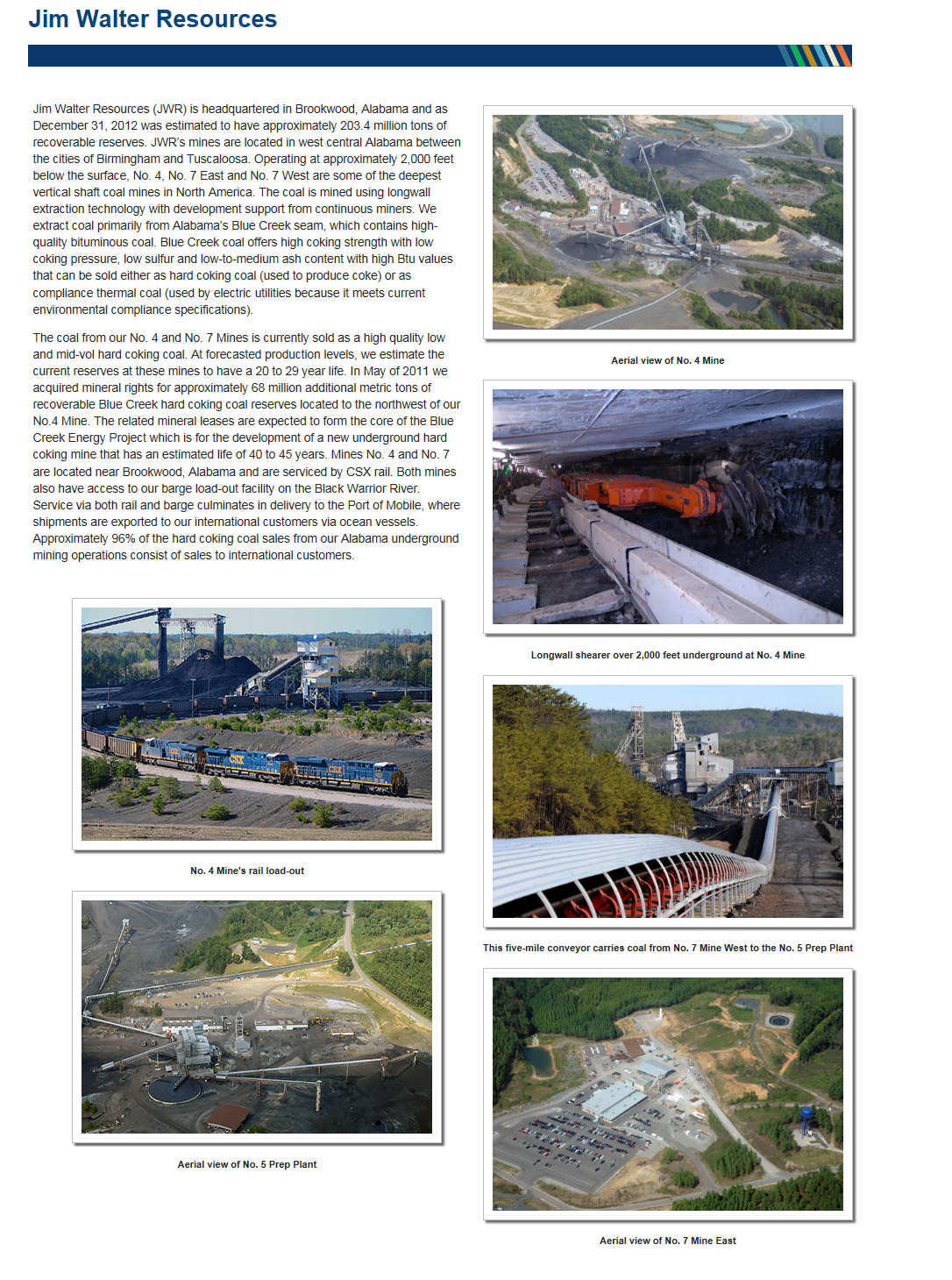
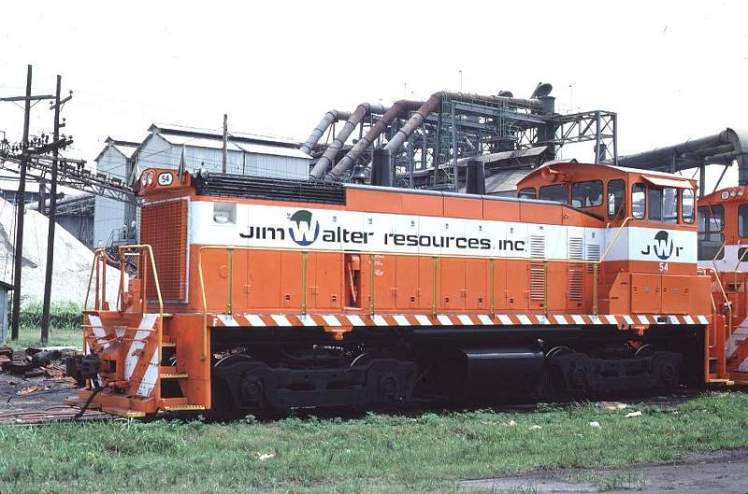
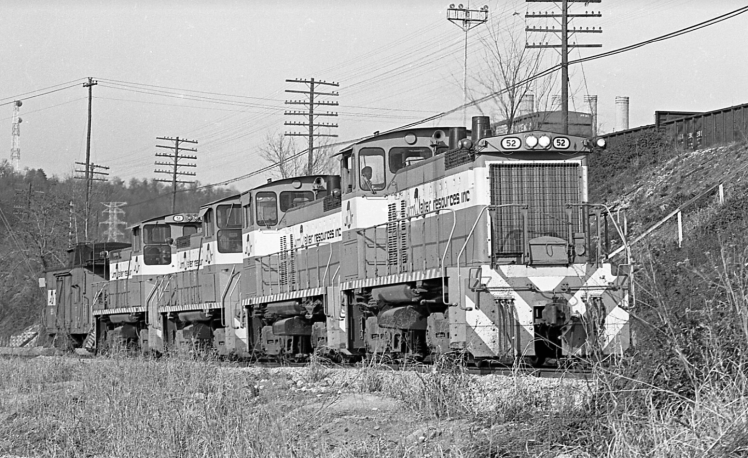
The boom of the 1980s and 1990s gave way to a global recession in the early 2000s. EPA regulation of emissions, strip mining and increasing competition from global coal producers (such as Drummond in Columbia and new producers in Australia) gutted coal prices and weakened the coal industry in general. A short boom followed in the mid-2000s but anti-fossil fuel politics and increasing competition from abroad softened demand for metallurgical coal as the 2000s wore on. JWR changed its corporate name to Walter Energy as it exploited coal, natural gas and coke. Walter Energy extended its reach by purchasing additional mines and gas fields in North America, also betting natural gas and foreign demand for metallurgical coal would bolster the company long term. However, natural gas prices also bottomed as domestic anti-fossil fuel policies in the Obama and Biden administration were implemented. This proved a proverbial last nail in the coffin, as Walter Energy now carried highly leveraged debt from its gamble to expand coal and gas capacity through lease purchases. Walter Energy filed bankruptcy in 2016 as the price collapse result of oversupply in world metallurgical coal markets only deepened rather than recovering as was first predicted.
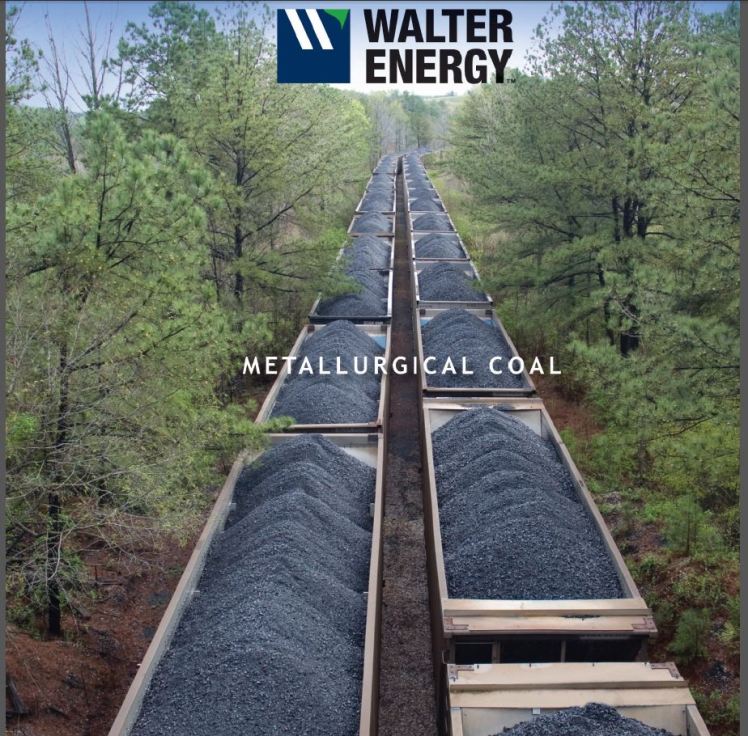
Warrior Met Coal formed out of the collapse two years later. Local managers of the defunct JWR coal operations purchased the local Brookwood coal mines and land leases. Three active mines and all supporting infrastructure was included along with the unfinished Blue Creek Coal Project that drained JWR cashflow when the coal market collapsed in 2014. While mining had almost stopped, the Trump administration encouraged clean coal, and the world market rebounded as additional emerging nations in the pacific added coal and coke demand as the world moved into the post Pandemic 2020s. Warrior Met Coal increased efficiencies through upgrades and capacity improvements. In 2025, the opening of the Six Mile mine presented a new operation for Warrior Met Coal along with the commissioning of a newer coal export pier at Mobile, AL by the Alabama State Docks. These investments in updated facilities and new efficiencies in operations guaranteed the smaller company the ability to find profit in the cyclical nature of the metallurgical and steam coal markets. Below is a link to the prototype and its history which forms the basis for the prototype freelance Six Mile Railroad and the Brookwood LDE:
PEABODY COAL COMPANY
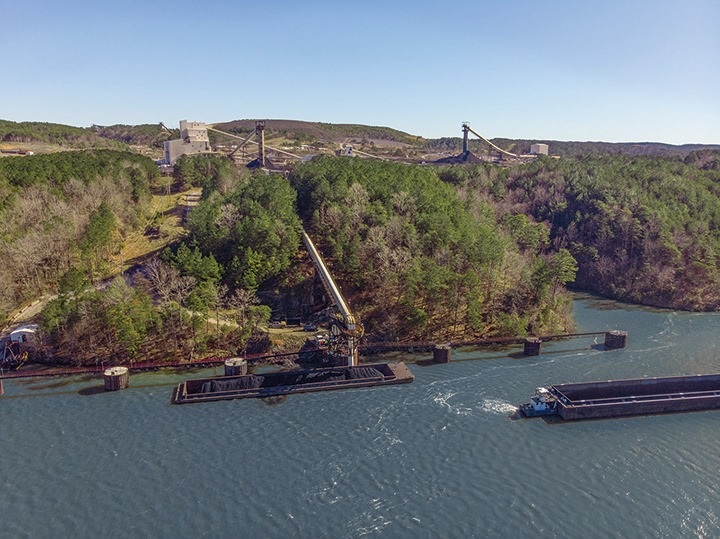
Peabody Coal makes the top three list only as an after-thought. Peabody came on the Alabama coal mining scene by purchasing the former Drummond Coal #5 site, called the Shoal Creek Mine. Drummond sold the Shoal Creek operation along the same time it moved Mr. Tom with the intention of opening the Twin Pines Mine at its Shannon site. The coal market collapse that ended the Twin Pines imitative encouraged Drummond to cut its losses in its failed domestic operations revival by selling the #5 deep shaft at Shoal Creek. Peabody stepped in to purchase the asset but idled the mine during the aftermath of the COVID-19 pandemic as coal demand tanked in the worldwide shutdown. Changing political tides saw Peabody restarted the mine, making it the second largest mining player in Alabama during the 2020s. This operation had no rail access, continuing to load coal on barges destined for South Alabama coal generators and export at Mobile. As a result, the Shoal Creek operation is only a footnote to the scope of this writing.
KODIAK MINING
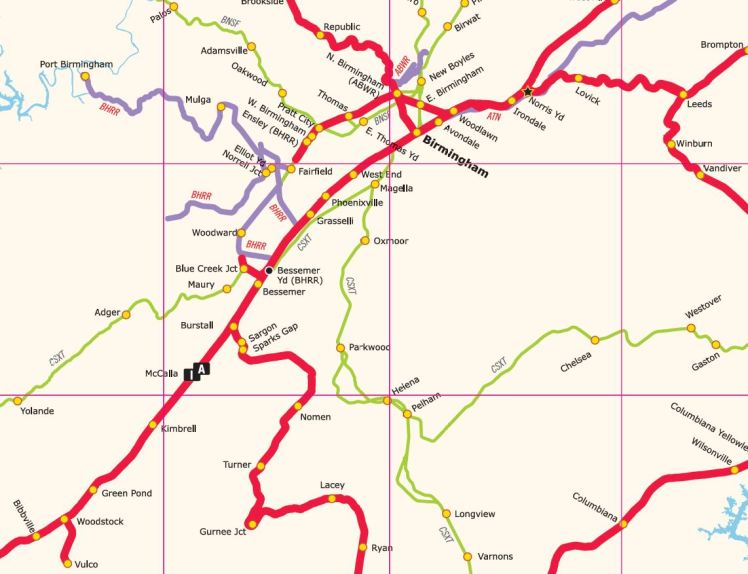
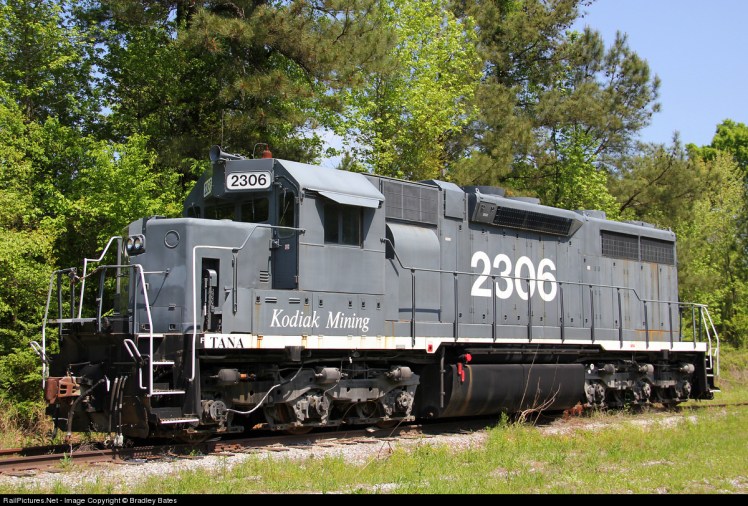
A local and independently run operation to the south of the Jim Walter mines was the Kodiak Mine near Helena, AL. This mine worked the Kodiak coal seam and consisted of a long spur off the NS Birmingham- Selma secondary main line at Gurnee Junction, AL (originally part of the L&N Birmingham mineral Belt). The branch was part of a loop toward the old GM&O Moline Branch off its Tuscaloosa to Montgomery mainline. built by the L&N Railroad as part of the Alabama Mineral Belt around Greater Birmingham, it was truncated and eventually the trackage from Gurnee Jct to the Kodiak mine was all that remained. The Moline branch was removed completely in the 1990s around the same time IC abandoned the Tuscaloosa- Montgomery main. The Gurnee Jct branch historically reached several smaller mines and at one time was a coal outlet for the GM&O via its Moline branch during and after WW2. As they closed, only the remaining few miles from Kodiak Mine to the present NS Selma District is in place. Kodiak mine ran in the 1990s and fell idle. It was sold and resold to various operators including Australian Atilla Resources who had plans to restart the operation in 2011. After clearing much of the mine site, little else was done leaving a former SP unit used as the tipple shifter rusting away on overgrown rails. The short-lived coal boom that upended Drummond and bankrupted JWR claimed yet another victim.
OAK GROVE MET COAL LLC
The Oak Grove Mine on the former Birmingham Southern RR north and west of Birmingham proper is another deep shaft mining operation formerly owned by US Steel through its acquisition of Tennessee, Coal and Iron Company (TCI) in the 1960s. This mine supplied coal that used to be coked for the Fairfield Works of US Steel prior to Fairfield’s closure through the Birmingham Southern Railroad (BS). With the BOF mill closure looming in the mid 2000s, Birmingham Southern RR was sold by US Steel subsidiary Transtar to WATCO. The mill closed two years later and WATCO operated the remnants of the BS operation as the Birmingham Terminal RR (BHTR). Coal still moves from the Oak Grove mine via conveyor to the original US Steel built prep plant at the Concord Mine site which ended onsite mining in 1985. WATCO crews switch CSX unit coal trains into the linear coal yard at the Concord prep plant and deliver them to CSX who runs them south to Mobile for export. Watco also moves occasional coal to the former US Steel /Birmingham Southern Railroad barge load out at Birmingport, AL to the north of Birmingham. These movements are sporadic compared to the heyday when trains traveled the branch several times a day moving iron ore, coke and coal for the Fairfield mill under US Steel and Birmingham Southern Railroad ownership.
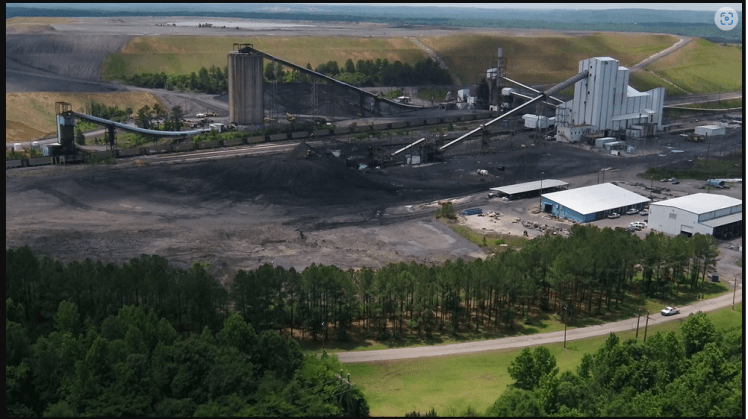
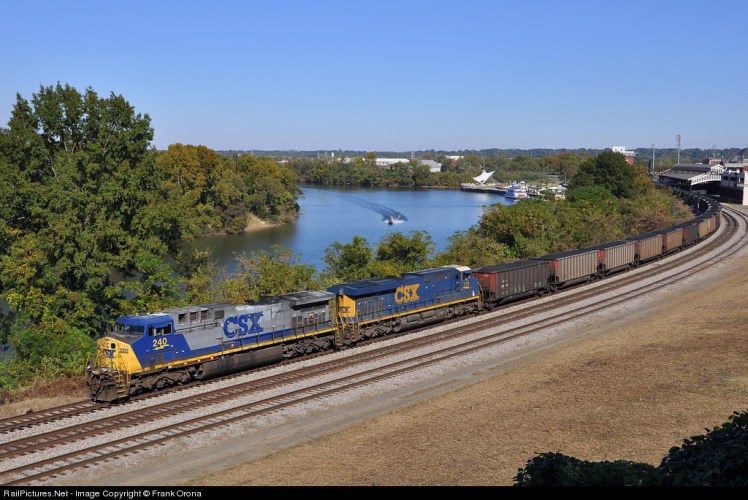
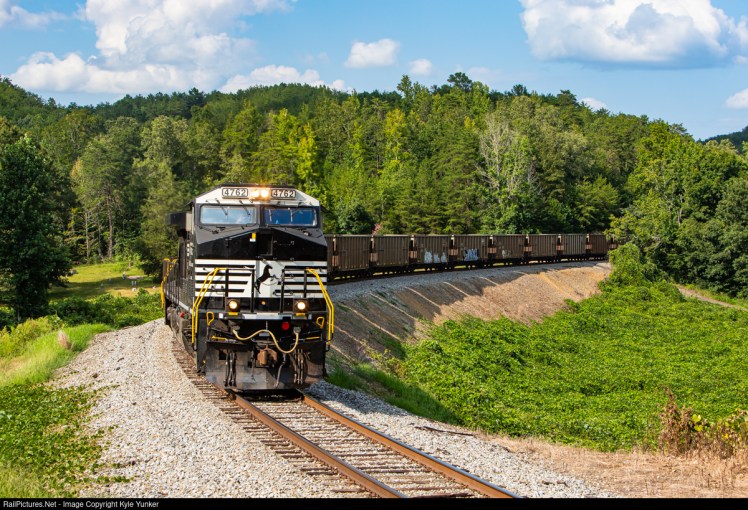
The prototype railroads serving mines are CSX and NS. WATCO operates the former Birmingham Southern trackage as the Birmingham Terminal Railroad. CSX operates over the former L&N branch to Brookwood, AL as part of its Birmingham Terminal Division. It moved the few test coal trains for Drummond at the Shannon Mine at Dudley, AL and all Warrior Met Coal coming from the original JWR mines. CSX constructed a coal marshalling yard just south of Bessemer in Greater Birmingham at Temerson, AL where loading crews working the mine loadouts around Brookwood swap for mainline crews moving the coal south toward Mobile. NS works the recently opened Warrior Met Coal Blue Creek Project operation from its Berry Branch to the north of Brookwood, AL.
In Part Two of the series, the move from prototype examples to the freelance Six Mile Railroad will be explored. The actual history of the region in Part One will be extrapolated into a realistic “what if” scenario using similar real world prototype operations. Stay Tuned!
 Georgia Road Transportation