.
WARRIOR MET COAL is the current owner of the former Jim Walter Resources mining operation centered around Brookwood, Alabama. Built on the Mary Lee and Blue Creek Coal Seams, these bituminous coal reserves were first commercially developed by the Jim Walters Corporation under its subsidiary Jim Walter Resources. Jim Walter Corporation was a homebuilding conglomerate that grew out of the Florida post-World War II housing boom. Builder Jim Walter assembled a residential home building empire by buying up lumber mills, roofing manufacturers and fixtures producers to allow a one-stop experience from foundation to finish homebuilding services for middle class blue-collar workers all over Florida and the Deep South. Jim Walter Corporation formed as a holding company, eventually adding financial elements to the mix. Through its various subsidiaries such as Jim Walter Homes, Walter Financing and manufacturing units such as Celotex and United States Pipe and Foundry (USP&F), potential homebuyers could purchase, finance and get homes that were specified through all facets of the Jim Walters Corporation. This one stop shopping experience was one of the first examples of closed-loop homebuilding typical of today. The novelty in the 1950s and 1960s and was wildly profitable, creating a large conglomerate.
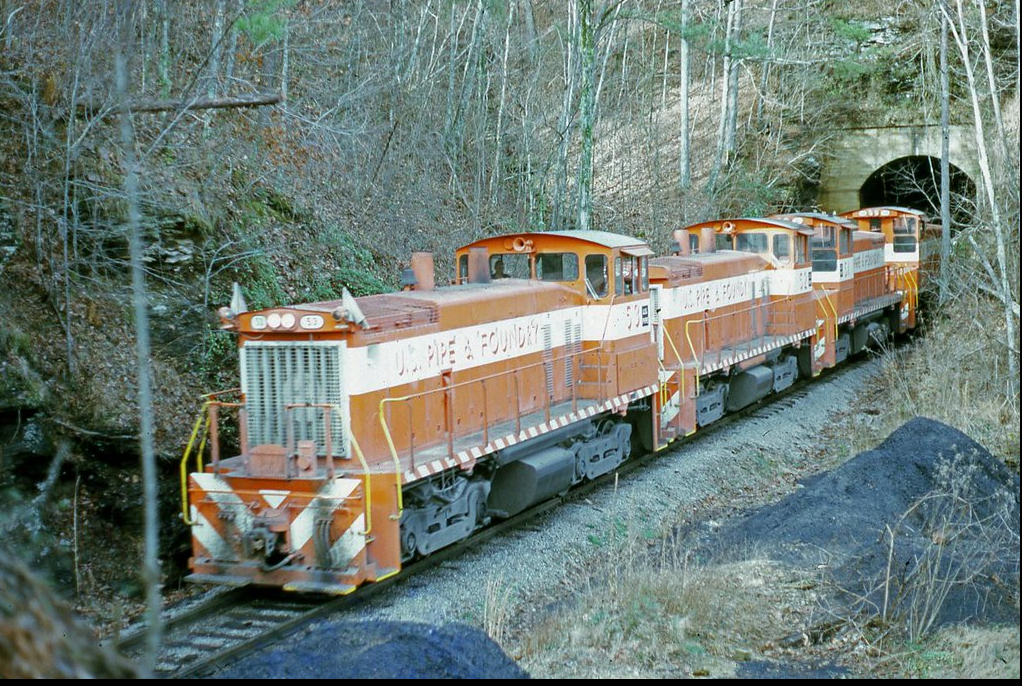
The Jim Walters purchase of USP&F marked a new facet in the company. US Pipe (as USP&F would come to be known in its Jim Walter ownership) included its own mine to manufacturing structure, owning the Mary Lee Mine (coal), Mary Lee Railroad (transport of materials), subsidiary Sloss Industries (coking and iron/steelmaking) and US Pipe foundry operation (manufacturing of household water fixtures). By the late 1960s, Jim Walter Corporation further invested in coal mining by forming Jim Walter Resources (JWR). Lessons learned on the Mary Lee coal mine were focused on acquiring and exploiting the newly developing Blue Creek Coal Seam in Jefferson and Tuscaloosa Counties off the former Louis and Nashville Railroad (L&N) Alabama Mineral Belt lines centered at Brookwood, AL. Contracts with Southern Company (SEEGCO) for thermal coal were developed along with growing metallurgical and coking operations. Agreements were inked with Japanese steelmaker Nippon Steel and Blue Creek Coal, and subsidiary Sloss Industries coke were soon being exported out of the Alabama Port of Mobile on a newly constructed joint US Steel/Jim Walters coal pier. The naturally high carbon content made the Alabama coal perfect for steelmaking.
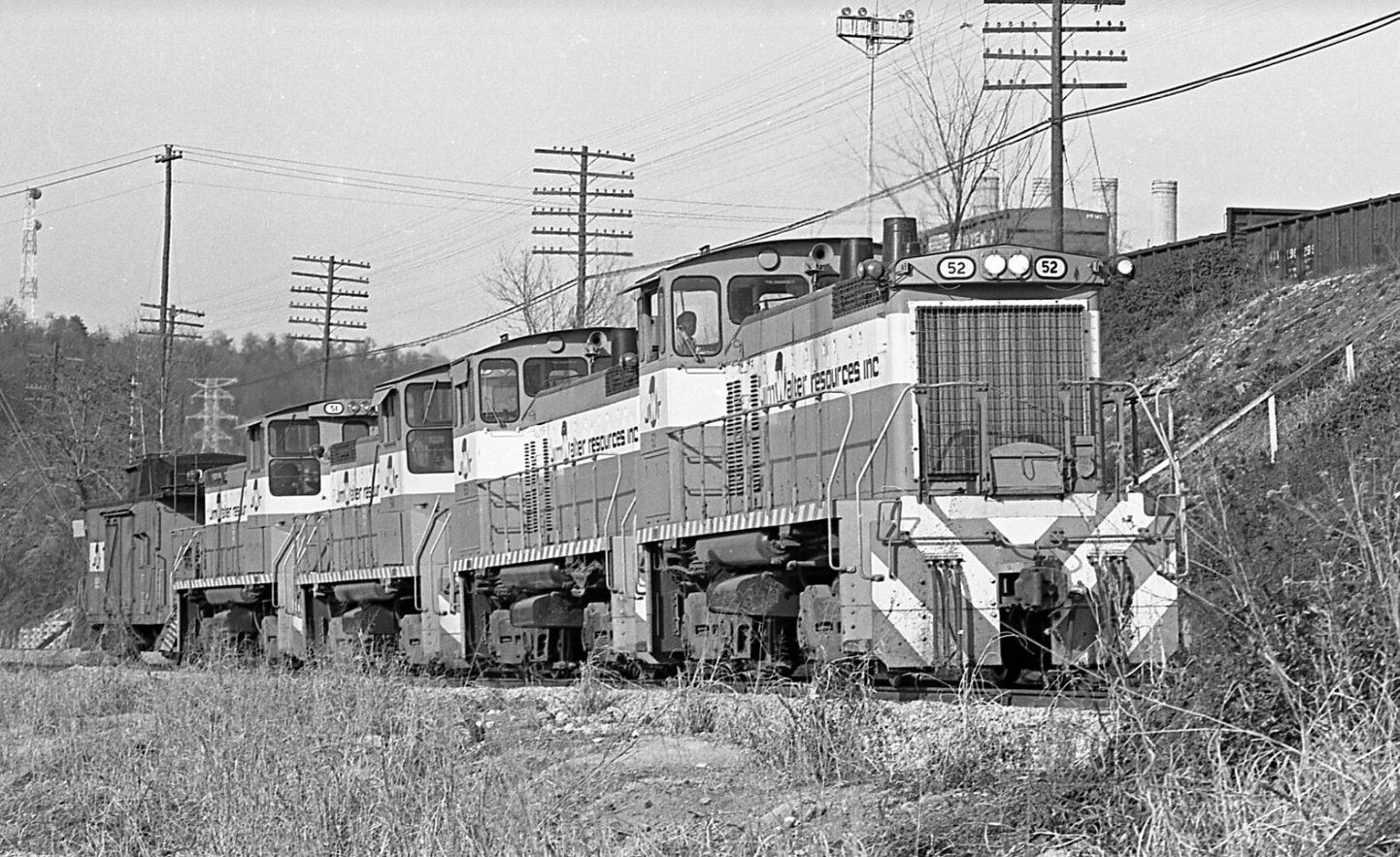
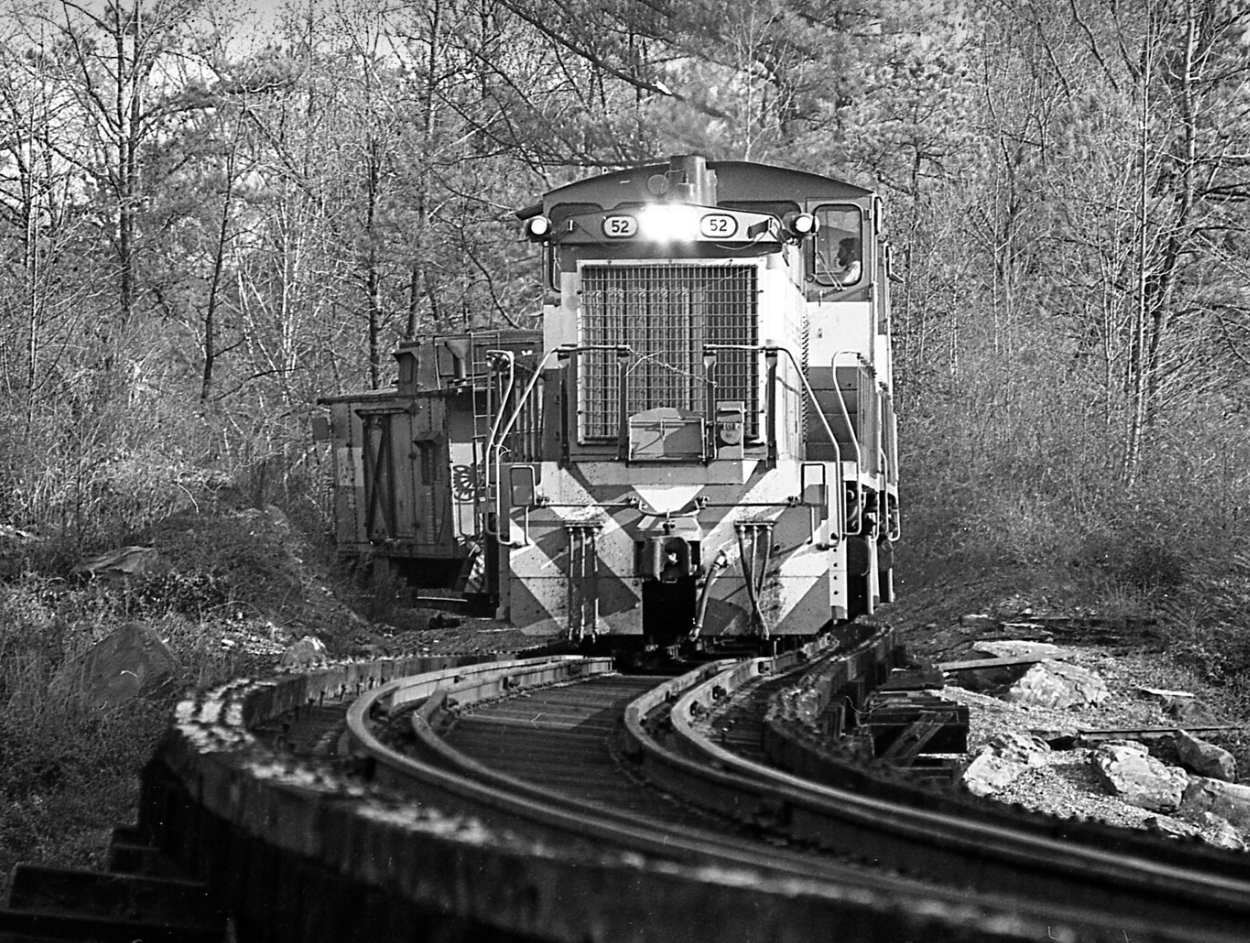
By the early 1980s, Jim Walter Corporation was in a period of transition. The creation of the Environmental Protection Agency in the late 1970s aimed to address growing fears of contamination of the environment. Acid rain fears required coal-fired generators to find ways to sequester the sulfides naturally occurring in the boiler exhausts either by construction of limestone scrubbers or conversion to low Sulphur coal shipped in from reserves being opened in Wyoming’s Powder River Coal region. Southern Company began updating its thermal plants by constructing new units, adding scrubbers or switching to Powder River Coal. Older plants were also closed and razed, and along with them the very thermal coal contracts that formed the basis of coal mining in Alabama. Exporting coal was growing and emphasis switched to feeding metallurgical export contracts. Small mines were closed and Jim Walter Resources concentrated its efforts in the Brookwood area, keeping five of its original seven mines operational. A historically significant mine explosion at one deep shaft proved both the deadliest and costliest accident in the US in the early 1980s. Competitors such as Drummond Coal, who preferred strip mining in the Blue Creek Seam, reduced its domestic footprint to nothing as environmental pressure increased and thermal contracts were lost, preferring to develop the largest coal strip mine on earth in a very less regulated Columbia in South America.
Strikes against US Steel in the 1970s allowed import steel to infiltrate domestic US markets. Japanese steel in particular proved as good as or better than steel produced in the aging mills in the US where production was hamstrung by the strike. By the time the strike was finally resolved, market share lost was gone for good and US steel mills with older infrastructure and higher costs shuttered one by one. Jim Walter saw its Sloss Industries mill in downtown Birmingham close, and various US Steel owned Tennessee Iron and Coal (TCI) mill ended production at Ensley and Woodward. Jim Walter Corporation was now a Wall Street owned conglomerate and centered much of its business into coal and gas (Blue Creek Coal deposits were known for its high natural gas content (the cause of the historic mine explosion suffered by Jim Walter Resources at Brookwood). Celotex, the roofing and siding manufacturer and linchpin in the original Jim Walter Corporation, fell into bankruptcy amid EPA and OSHA fines and lawsuits over its use of asbestos it its products. US Pipe was divested soon after as the company reorganized in the new industrial climate of the early 1990s, Jim Walter Corporation was left with its coal and gas mining Jim Walter Resources division and the homebuilding and financing arm of its Jim Walter Homes side.
By this time the management of Jim Walters Resources were controlling the company. The mining around Brookwood, AL in the Blue Creek seam was consolidated and modernized with new loadouts and preparation plants. During this transition in the 1990s, JWR opted to build its own railroad to consolidate logistics around the mine and concentrate on streamlining its export metallurgical coal contracts hauled by rail to the Port of Mobile. CSX Transportation now owned the former L&N mainline access and was lukewarm about investing in the waning fortunes of the Alabama coal industry. JWR found it could link its mines and prep plants inside the six-mile radius of Brookwood by rail and produce unit coal trains ready for export, so the SIX MILE RAILROAD was born. Built over a three-year period, rail became the preferred methodology versus a proposed overland conveyor system linking the Blue Creek Coal operations. Jim Walter Resources was no stranger to mining railroads, having operated the Mary Lee Railroad in the 1960s and early 1970s under its US Pipe subsidiary.
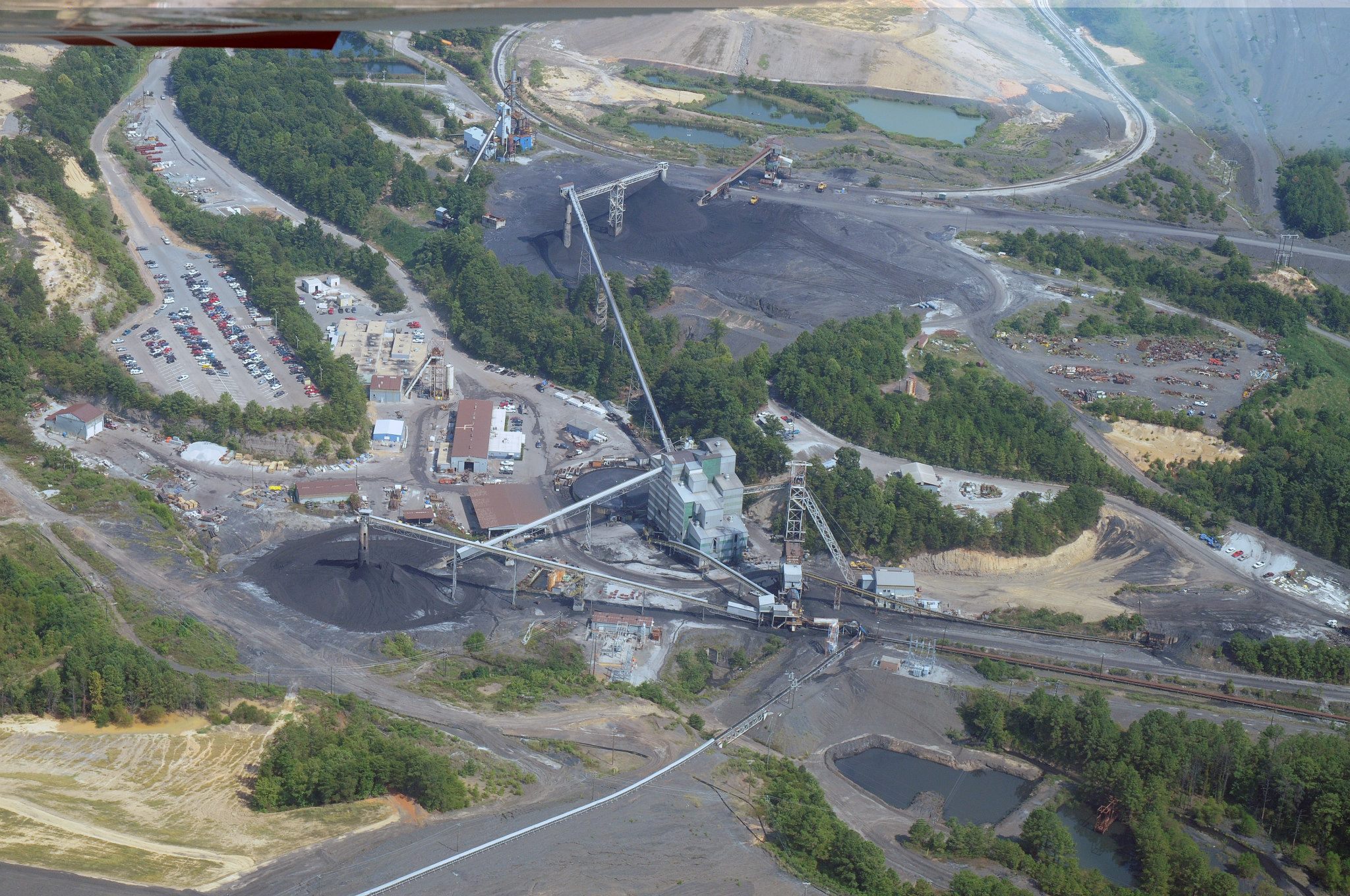
In 1998 during a coal slump, regional Central Alabama & Southern Railroad (CA&S) Purchased much of the former CofGA lines from Norfolk Southern Railroad (NS). Included were the northern and western former L&N mineral belt lines from CSX, which CA&S developed into a mainline link between Union Pacific in Memphis through former ICG (GM&O)lines to its physical end at Brookwood, AL (which happened to be the former GM&O-L&N trade off point until the 1980s). CA&S lasted only eight years as its management overextended itself trying to develop terminals in the growing but still infantile containerism movement. CA&S helped develop the Six Mile Railroad interchange north of Brookwood, AL where the Six Mile built its marshalling yard but degrading financials through highly leveraged debt made the attempt anemic and minimal.

CA&S would fall into bankruptcy with the new start up Georgia Road Transportation (GARD) taking over the estate. GARD had a completely new vision and leveraged its location to streamline, upgrade and increase market share in the Deep South. Georgia Road aggressively sought out existing and new business. The Brookwood line became its lynch-pin mainline link between its former GM&O lines and the ex-NS CofGA heart of the system. The acquisition of the FEC and later the IC proper created a welter weight class one operation right at the Six Mile Railroad doorstep in Brookwood, GARD worked to increase track speed, add signaling and built a unit coal train terminal on its side of Brookwood to further facilitate Jim Walter’s push to center around its coal and gas business.
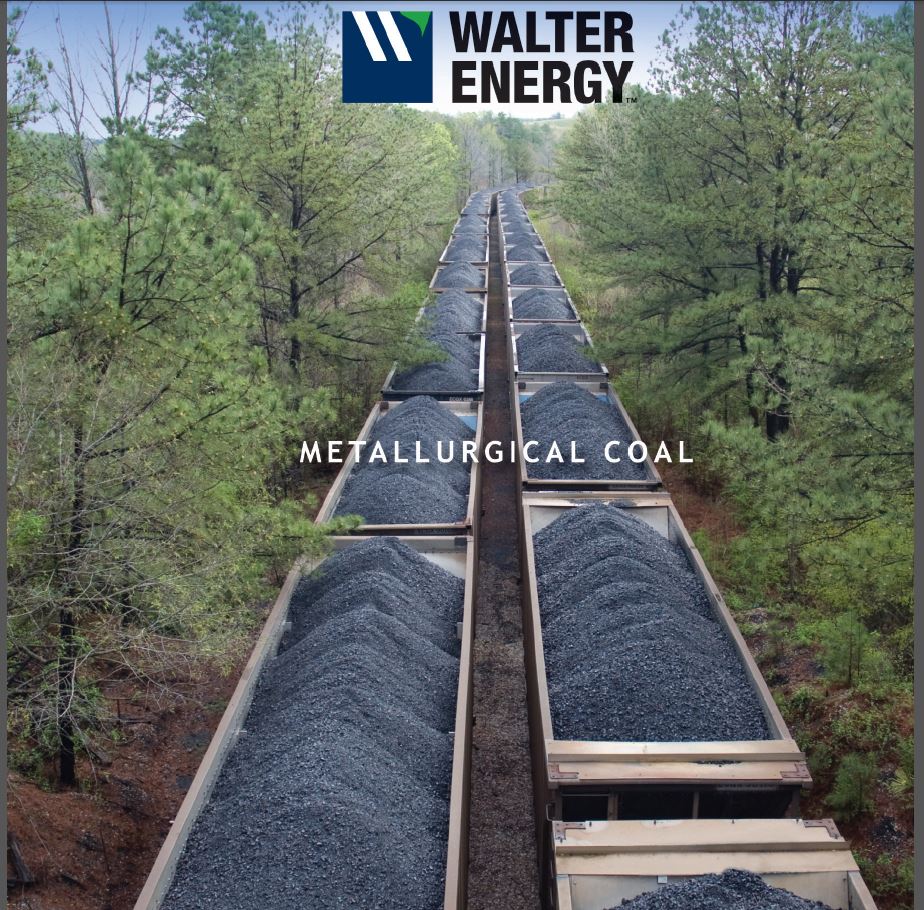
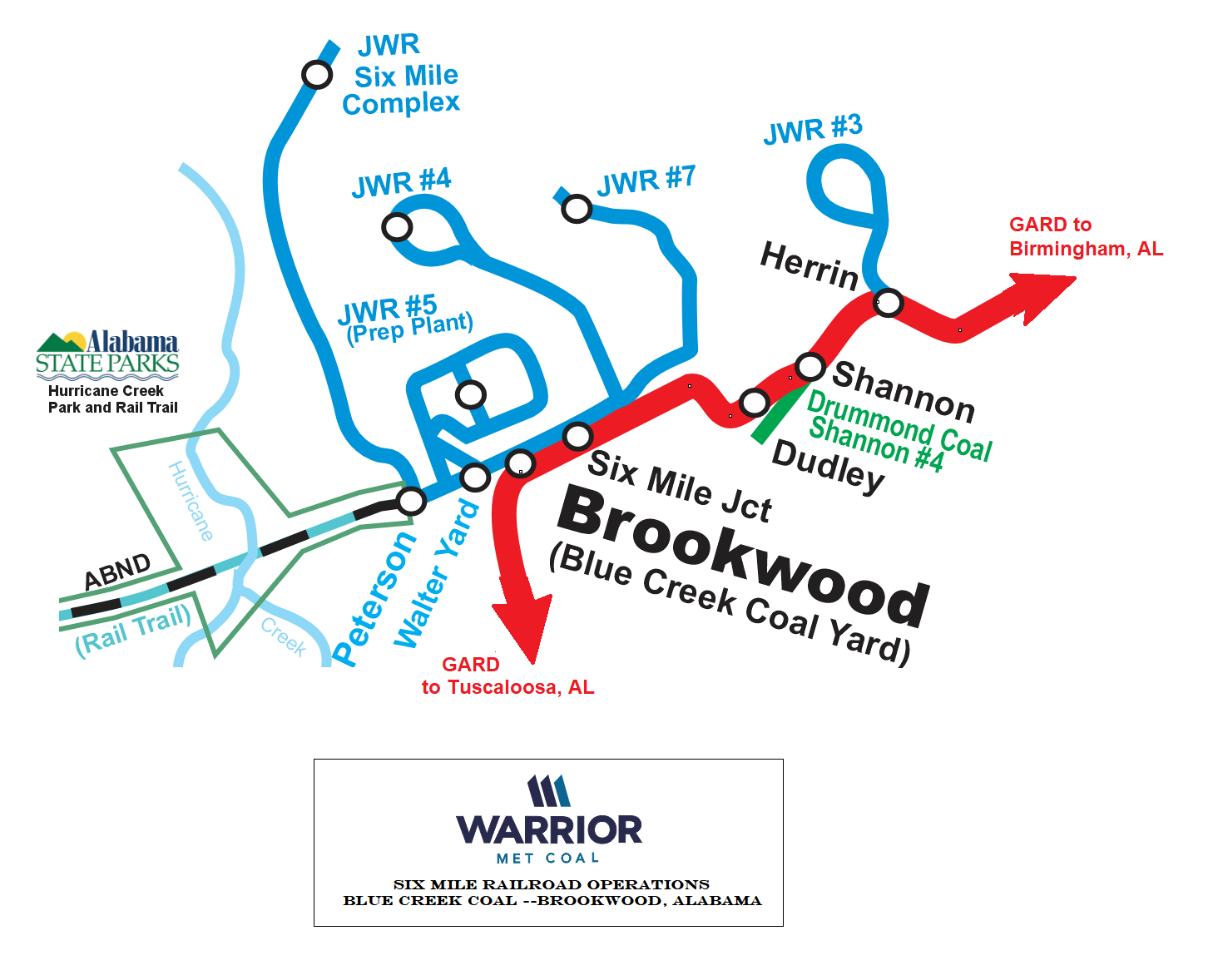
Jim Walter Resources even changed its name to Walter Energy, reflecting its commitment to mining and supplying coal, coke and natural gas both domestically and internationally. The remnant Jim Walter Homes, now an orphan operation, was closed and liquidated. This would draw to a final serendipitous end to the Jim Walter Corporation. Much of this change was fueled by a short boom in export coal business in the early to mid-2000s. Unfortunately, the cyclical nature of the business shifted downward, taking Walter Energy with it. Walter Energy, now run by Wall Street speculators, was just completing a binge-buy of coal operations all over the US and even Canada hoping to corner market share for another boom. The boom never happened and a deep recession in 2008-2009 squelched any hope of a financial ‘return on investment’. Walter Energy quickly folded. After drifting in bankruptcy, key former Jim Walters Resource managers assembled financing and re-constituted the local Alabama Blue Creek mining operation as Warrior Met Coal. Gone were the speculators, the gas fields and north American holdings. Warrior Met Coal concentrated on what it new, deep shaft mining in and around its home of Brookwood, AL. Working with the Georgia Road, Alabama Port Authority, State of Alabama and local mining interests, it resurrected the old JWR property in a modern regional coal producer and exporter. It even managed to complete the ten-year-old Blue Creek Coal Project started by JWR and predecessor Walter Energy, adding to unit coal business that now once again regularly moved out of the Six Mile Railroad Operation at Brookwood, AL.
| ROAD NUMBER | TOTAL UNITS | MODEL | NOTES |
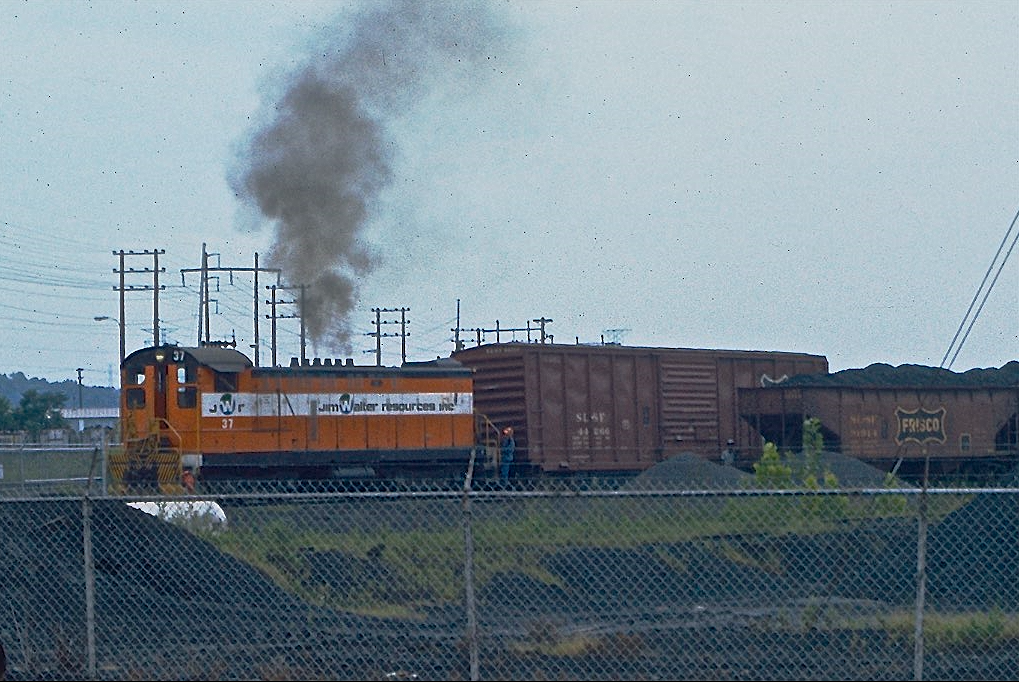
| 37 | 1 | BALDWIN VO-1000 | inherited from USP&F; used to switch Sloss Industries; retired |
| 56 | 1 | EMD SW-900 | inherited from USP&F; used to switch Mary Lee Mine; retired |
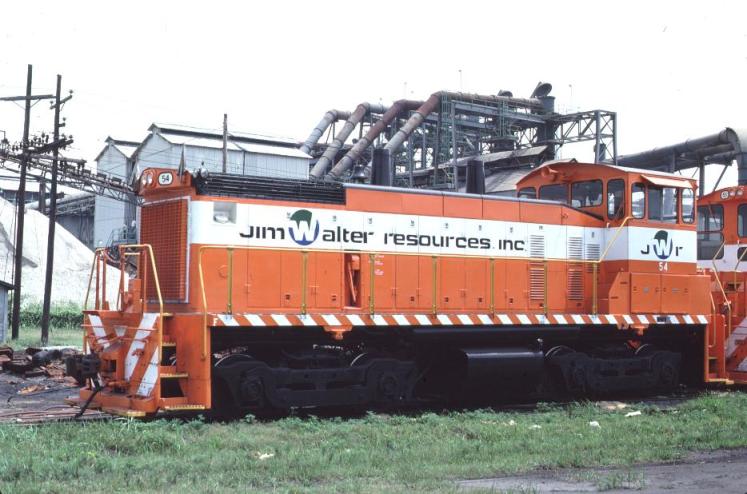
| 50-54 | 5 | SW1500 | inherited from USP&F; used to haul coal on Mary Lee Railroad; transferred to Sloss Industries to replace Baldwin Switchers after Mary Lee mine closed. |
| 1 | SD9M | ||
| 2 | SD38 | ||
| 4 | SD38-2 | ||
| 109-110 | 2 | SD39 | ex-SP purchased via Progress Rail. Acquired to haul ABC Coke shuttle trains to Birmingham, AL on Georgia Road trackage rights and equipped with dynamic braking and PTC. |
| 200-202 | 3 | SD70 | ex-NS, exx-CR purchased via Progress Rail. Acquired to haul ABC Coke shuttle trains to Birmingham, AL on Georgia Road trackage rights and equipped with PTC. |
| 001; 002-003 | 3 | SLUG | 001 is ex-NW slug trainmaster converted to heavy yard slug. 002 and 003 are ex NW SD40-2 units converted to six axle slugs by Stephens Railcar; used in mine to prep plant shuttle trains |
 Georgia Road Transportation